
Best Brokers in Australia
After hands-on tests, we’ve identified the best brokers for traders in Australia. These are providers that are regulated by the Australian Securities and Investments Commission (ASIC) and serve Australian traders with access to local markets and accounts in Australian dollars (AUD).
 Written By
Royston Wild
Royston is a seasoned investor and financial writer with over a decade of experience analyzing brokers and investment markets. With a background in stocks, commodities, and forex reporting - he brings a fresh perspective to broker evaluations.
Royston Wild Profile Page Fact Checked By
Tobias Robinson
Tobias is committed to helping traders find the right brokerage for their needs. He has tested 200+ brokers, spent 2,600+ hours using different platforms, and placed 2,100+ trades.
Tobias Robinson Profile Page Edited By
James Barra
James is an experienced broker analyst with a background in financial services. He has spent 2,500+ hours testing brokers, used 35+ different platforms and apps, audited 120+ broker T&Cs, and verified 300+ regulatory licenses. James has also been on US and UK TV, and been a guest on finance podcasts, discussing reports conducted by BrokerListings.com and sharing his expertise.
James Barra Profile PageApril 1, 2026
-
1Founded in Australia in 2010, Pepperstone is a forex and CFD broker with over 830,000 clients worldwide. It offers 1,400+ instruments on MT4, MT5, cTrader, and TradingView, with low, clear fees. Pepperstone is regulated by the FCA, ASIC, and CySEC.✓ Supports AUD Accounts
-
2Fusion Markets, an online broker since 2017, is regulated by the ASIC, VFSC and FSA. Known for its low-cost forex and CFD trading, it offers a variety of accounts and copy trading options for all types of traders. New traders can register and begin trading in three easy steps.✓ Supports AUD Accounts
-
3FP Markets, founded in 2005 in Australia, is a trading broker regulated by ASIC and CySEC, offering a wide variety of tradable assets. It provides Standard and Raw accounts suitable for all types of traders. It also offers comprehensive trading tools, including the MetaTrader suite and TradingView along with useful trading suggestions from Trading Central and AutoChartist.✓ Supports AUD Accounts
-
4Trade Nation is a leading foreign exchange and contract for difference broker regulated in various areas including the UK and Australia. This company provides affordable fixed and variable spreads on over 1000 assets and strong trading platforms and educational resources. Traders could use the Signal Centre for trading ideas.✓ Supports AUD Accounts
-
5Founded in 2006, AvaTrade is a top forex and CFD broker trusted by over 400,000 traders. Regulated in 9 regions, it handles more than 2 million trades monthly. AvaTrade offers platforms like MT4, MT5, and WebTrader, with over 1,250 instruments. Traders of all levels can explore CFDs, AvaOptions, and AvaFutures for short-term trading. AvaTrade provides excellent education and 24/5 multilingual customer support for a complete trading experience.✓ Supports AUD Accounts
Australian Trading Suitability Comparison
See how our top firms cater specifically to traders in Australia:
| Broker |  |
AUD Account |
ASIC Regulated |
Accepts BPAY |
Accepts PayID |
|---|---|---|---|---|---|
 |
✓ | ✓ | ✓ | ✗ | |
 |
✓ | ✓ | ✗ | ✓ | |
 |
✓ | ✓ | ✗ | ✗ | |
 |
✓ | ✓ | ✗ | ✗ | |
 |
✓ | ✓ | ✗ | ✗ | |
| Broker | |
AUD Account |
ASIC Regulated |
Accepts BPAY |
Accepts PayID |
Broker Details Comparison
| Broker | Demo Account |
Minimum Deposit |
Minimum Trade |
Leverage |
Assets |
Platforms |
|---|---|---|---|---|---|---|
|
✓ | $0 | 0.01 Lots | 1:30 (Retail), 1:500 (Pro) | CFDs, Forex, Currency Indices, Stocks, Indices, Commodities, ETFs, Crypto CFDs (only Pro clients), Spread Betting | Pepperstone Trading Platform, MT4, MT5, cTrader, TradingView |
|
✓ | $0 | 0.01 Lots | 1:30 | CFDs, Forex, Stocks, Indices, Commodities, Crypto | MT4, MT5, cTrader, TradingView, DupliTrade |
|
✓ | $0 | 0.01 Lots | 1:30 (UK), 1:500 (Global) | CFDs, Forex, Stocks, Indices, Commodities, Bonds, ETFs, Crypto | Iress, MT4, MT5, cTrader, TradingView, AutoChartist, TradingCentral |
|
✓ | R1000$0 | 0.1 Lots | 1:30 | CFDs, Forex, Indices, Shares, Commodities, Futures, Bonds, Spread Betting (UK and Ireland only), Cryptos (Bahamas entity only) | TN Trader, MT4, TradingView |
|
✓ | $300$100 | 0.01 Lots | 1:30 (Retail) 1:400 (Pro) | CFDs, Forex, Stocks, Indices, Commodities, ETFs, Bonds, Crypto, Spread Betting, Futures | WebTrader, AvaTradeGO, AvaOptions, AvaFutures, MT4, MT5, AlgoTrader, TradingView, TradingCentral, DupliTrade |
| Broker | Demo Account |
Minimum Deposit |
Minimum Trade |
Leverage |
Assets |
Platforms |
How Safe Are The Top Brokers In Australia?
Even with ASIC oversight, it’s still important to look at the protections and safeguards available at account level:
| Broker | Trust Rating |
Guaranteed Stop Loss |
Negative Balance Protection |
Segregated Accounts |
|---|---|---|---|---|
|
✗ | ✓ | ✓ | |
|
✗ | ✓ | ✓ | |
|
✗ | ✓ | ✓ | |
|
✗ | ✓ | ✓ | |
|
✗ | ✓ | ✓ | |
| Broker | Trust Rating |
Guaranteed Stop Loss |
Negative Balance Protection |
Segregated Accounts |
Mobile Trading Comparison
Australian traders are increasingly managing positions on the go - here’s how our top providers perform on mobile:
| Broker | Mobile Apps |
iOS Rating |
Android Rating |
Smart Watch App |
|---|---|---|---|---|
|
iOS & Android | ✗ | ||
|
iOS & Android | ✗ | ||
|
iOS & Android | ✗ | ||
|
iOS & Android | ✗ | ||
|
iOS & Android | ✗ | ||
| Broker | Mobile Apps |
iOS Rating |
Android Rating |
Smart Watch App |
Comparison for Beginners
Compare how suitable the Best Brokers in Australia are for beginners.
| Broker | Demo Account |
Minimum Deposit |
Minimum Trade |
Education Rating |
Support Rating |
Fractional Shares |
Demo Competitions |
|---|---|---|---|---|---|---|---|
|
✓ | $0 | 0.01 Lots | ✗ | ✗ | ||
|
✓ | $0 | 0.01 Lots | ✗ | ✗ | ||
|
✓ | $0 | 0.01 Lots | ✗ | ✗ | ||
|
✓ | R1000$0 | 0.1 Lots | ✗ | ✗ | ||
|
✓ | $300$100 | 0.01 Lots | ✗ | ✗ | ||
| Broker | Demo Account |
Minimum Deposit |
Minimum Trade |
Education Rating |
Support Rating |
Fractional Shares |
Demo Competitions |
Comparison for Advanced Traders
Compare how suitable the Best Brokers in Australia are for advanced or professional traders.
| Broker | Automated Trading |
VPS |
API |
AI |
Pro Account |
Leverage |
Low Latency |
Extended Hours |
|---|---|---|---|---|---|---|---|---|
|
Expert Advisors (EAs) on MetaTrader | ✗ | ✓ | ✗ | ✓ | 1:30 (Retail), 1:500 (Pro) | ✓ | ✗ |
|
Expert Advisors (EAs) on MetaTrader, cBots on cTrader | ✓ | ✗ | ✗ | ✗ | 1:30 | ✓ | ✗ |
|
Expert Advisors (EAs) on MetaTrader | ✓ | ✗ | ✗ | ✗ | 1:30 (UK), 1:500 (Global) | ✓ | ✗ |
|
Expert Advisors (EAs) on MetaTrader | ✗ | ✗ | ✗ | ✗ | 1:30 | ✗ | ✗ |
|
Expert Advisors (EAs) on MetaTrader | ✗ | ✓ | ✓ | ✓ | 1:30 (Retail) 1:400 (Pro) | ✓ | ✗ |
| Broker | Automated Trading |
VPS |
API |
AI |
Pro Account |
Leverage |
Low Latency |
Extended Hours |
Accounts Comparison
Compare the trading accounts offered by Best Brokers in Australia.
| Broker | Demo Account |
Interest on Cash |
Islamic Account |
Joint Account |
Managed Account |
PAMM |
MAM |
LAMM |
Pro Account |
|---|---|---|---|---|---|---|---|---|---|
|
✓ | ✗ | ✓ | ✗ | ✓ | ✓ | ✓ | ✗ | ✓ |
|
✓ | ✗ | ✓ | ✗ | ✓ | ✓ | ✓ | ✗ | ✗ |
|
✓ | ✗ | ✓ | ✗ | ✗ | ✓ | ✓ | ✗ | ✗ |
|
✓ | ✗ | ✓ | ✗ | ✓ | ✗ | ✗ | ✗ | ✗ |
|
✓ | USD: 2.7% | ✓ | ✗ | ✓ | ✓ | ✓ | ✗ | ✓ |
| Broker | Demo Account |
Interest on Cash |
Islamic Account |
Joint Account |
Managed Account |
PAMM |
MAM |
LAMM |
Pro Account |
Compare The Ratings Of Our Top Australian Trading Brokers
See how our preferred brokers for Australian traders scored in each core area following our hands-on tests:
| Broker | Trust |
Platforms |
Assets |
Mobile |
Fees |
Accounts |
Research |
Education |
Support |
|---|---|---|---|---|---|---|---|---|---|
|
|||||||||
|
|||||||||
|
|||||||||
|
|||||||||
|
|||||||||
| Broker | Trust |
Platforms |
Assets |
Mobile |
Fees |
Accounts |
Research |
Education |
Support |
Fee and Cost Comparison
Compare the cost of trading with the Best Brokers in Australia.
| Broker | Cost Rating |
Fixed Spreads |
Inactivity Fee |
CFD Stocks Spread |
EUR/USD Spread |
Crypto Spread |
|---|---|---|---|---|---|---|
|
✓ | $0 | 0.02 | 0.1 | 30 (BTC) | |
|
✗ | $0 | 0.01 | 0.05 | From 0.04% | |
|
✗ | $0 | Variable | 0.1 | 17.3 (Bitcoin) | |
|
✓ | $0 | Variable | Variable | Fixed | |
|
✓ | $50 | 0.13 | 0.9 | BTC <1%, ETH 2% | |
| Broker | Cost Rating |
Fixed Spreads |
Inactivity Fee |
CFD Stocks Spread |
EUR/USD Spread |
Crypto Spread |
Customer Ratings
Compare how customers of these brokers feel about them, with real user ratings from Trustpilot, the Apple App Store and Google Play.
| Broker | Customers |
Trustpilot Score |
Trustpilot Reviews |
Android App Rating |
iOS App Rating |
|---|---|---|---|---|---|
|
830,000 | 3,651 | |||
|
100,000 | 9,825 | |||
|
1,000,000 | 10,334 | |||
|
✗ | 2,125 | |||
|
400,000 | 13,497 | |||
| Broker | Customers |
Trustpilot Score |
Trustpilot Reviews |
Android App Rating |
iOS App Rating |
Broker Popularity
Australian traders often look to brokers with a strong client base as one sign of credibility. Here’s how many traders our top firms have:
| Broker | Popularity |
|---|---|
| FP Markets |
|
| Pepperstone |
|
| AvaTrade |
|
| Fusion Markets |
|
Why Trade With Pepperstone?
Pepperstone is a leading trading option, providing low spreads, quick execution, and advanced chart tools for experienced traders. It also supports new traders with no minimum deposit, thorough learning resources, and exceptional 24/5 support (18 hours on weekends). Based under ASIC regulation, Pepperstone's comprehensive service earned it the 'Best Aus Broker' award for 2025 by DayTrading.com in Australia.
Pros
- With spread betting on TradingView, Pepperstone offers tax-efficient trading and advanced analysis tools for eligible traders.
- Pepperstone has simplified deposits and withdrawals, adding Apple Pay and Google Pay in 2025, and PIX and SPEI for Brazilian and Mexican clients in 2024.
- Provides a dedicated CopyTrading app for traders seeking a less active trading approach, available in select countries.
Cons
- Execution might be less reliable in fast markets than headline speeds indicate. Our tests showed fast execution at expected prices, but some community feedback mentions issues like slippage, stop-loss fills, and spread-sensitive order triggers during volatility.
- Overnight holding fees at Pepperstone are higher than some Market Maker brokers (often Benchmark + 2.5%). This is ideal for traders and forex scalpers but not great for swing traders who keep positions open overnight.
- Even with expanded market options, crypto CFD offerings remain limited compared to brokers like Eightcap, and investing in actual coins is not available.
Why Trade With Fusion Markets?
Fusion Markets is a top choice for forex traders seeking competitive prices with near zero spreads, minimal commissions, and new TradingView integration. The company, based and regulated in Australia by the ASIC, is especially suitable for Australian traders.
Pros
- Withdrawal times are now under an hour and available 24/7, allowing active traders to quickly and easily access their gains.
- Execution speeds averaging 37 milliseconds significantly outpace many competitors, assisting traders in obtaining the best prices in quickly changing markets.
- The Market Buzz and Analyst Views features are useful tools for finding opportunities. They are easily accessible within the client dashboard.
Cons
- The broker offers more currency pairs than most rivals, but its alternative investments are average, with stock CFDs limited to the US.
- The lack of a beginner-friendly trading platform or app is a significant disadvantage compared to AvaTrade.
- Traders outside Australia must register with loosely regulated global entities that offer limited protections. However, in August 2026, these entities provided negative balance protection for all eligible accounts.
Why Trade With FP Markets?
FP Markets offers a great combination of reasonable pricing and quality services for traders. They maintain affordable trading costs, along with growing their investment options, analytical tools, and research capabilities. Additionally, they provide top-notch support for urgent trading concerns.
Pros
- FP Markets uses advanced tools from Trading Central and Autochartist. These tools assist traders in spotting short-term trading possibilities using patterns, indicators, and other technical elements on charts.
- FP Markets offers a smooth sign-up process, notable for accepting cryptocurrency and more than 10 base currencies. It is suitable for traders worldwide.
- FP Markets offers a variety of platforms including MetaTrader, cTrader, Iress, and TradingView, making it one of the most adaptable brokers for traders.
Cons
- Traders Hub offers comprehensive research including Daily Report, Technical Report, Market Insights, and Fundamental Analysis. However, it needs to broaden its daily content and keep its forex news up to date to rival top platforms like IG.
- The Iress platform from FP Markets is exclusively for Australian clients. It mainly focuses on stock trading more than forex trading. Data costs can quickly add up if you're not an active trader or if you don't have a high-end account.
- FP Markets, with 130 available trading options in their MT4 Trader's Toolbox, doesn't match the top MetaTrader brokers, particularly when compared to Pepperstone's 1,300 assets. This may limit opportunities for dedicated traders.
Why Trade With Trade Nation?
Trade Nation is suitable for discretionary traders interested in speculating on major indices like the US 500 or liquid FX pairs, with the predictability of fixed spreads. Our tests showed the fixed-spread TN Trader platform is beneficial for trading during scheduled economic releases due to its reliable charting and capped spreads.
Pros
- The demo includes a $5,000 practice account and a one-on-one platform walkthrough by callback.
- The broker expanded into Europe with regulated online trading services after getting approval from Portugal's CVMV, enhancing safety protections for European users.
- Trade Nation's 2026 partnership with Volt has accelerated payments for Australian traders. They can now make instant deposits and withdrawals using PayID. Faster payout features are planned for clients in the UK and EU.
Cons
- Offshore SCB and FSA entities offer retail clients leverage up to 1:200 and 1:500, compared to 1:30 in the UK, Europe, and Australia. This means FSA clients can have 16 times the exposure of UK retail clients on the same trade, but with less oversight and no compensation scheme.
- Withdrawals can take up to five business days, which is average for the industry but slower than the 1–3 days many brokers now offer.
- The 2–20% rebate program is not available to FCA, CMVM, and ASIC clients, so active traders in these areas cannot receive transaction rebates.
Why Trade With AvaTrade?
AvaTrade provides traders with essential tools: an intuitive WebTrader, strong AvaProtect risk management, a quick 5-minute sign-up, and reliable support for fast-paced markets.
Pros
- AvaTrade introduced AvaFutures for low-margin global market access and expanded in 2025 by adding CME’s Micro Grain Futures. Later that year, they integrated with TradingView.
- AvaTrade is still among the few brokers with a custom risk management tool, AvaProtect, which insures losses up to $1M for a fee and is simple to use on the platform.
- The WebTrader performed well in our tests, featuring an easy-to-use interface for beginners and strong charting tools, including 6 chart layouts and over 60 technical indicators.
Cons
- The AvaSocial app is satisfactory but could be better. Its design, usability, and navigation between strategy providers and account management need improvement to compete with top platforms like eToro.
- AvaTrade’s WebTrader has improved, but it needs more customization as widgets like market watch and watchlists can't be hidden, moved, or resized.
- Signing up is easy, but AvaTrade doesn't offer an ECN account like Pepperstone or IC Markets, which provides raw spreads and fast execution that many traders want.
Filters
How We Chose The Best Brokers For Traders In Australia
To earn a place in our list of leading trading providers for Australian traders:
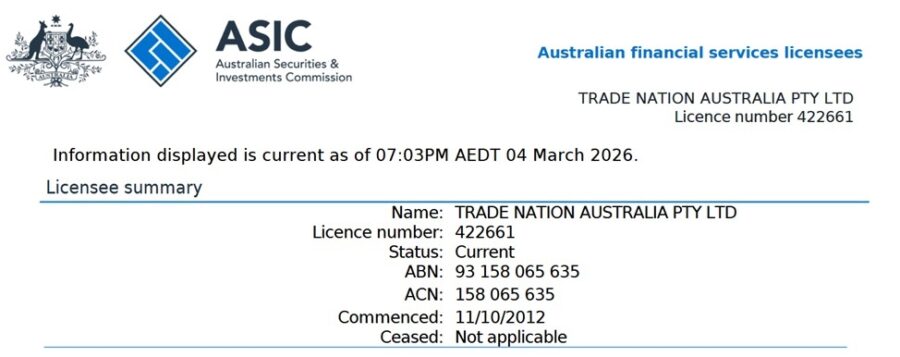
- Brokers had to be authorized by ASIC. This was a non-negotiable, so we only featured providers operating under Australian regulatory oversight who are expected to follow rules aimed at supporting market integrity and protecting retail clients. We verified the regulatory credentials of every broker listed above using the relevant ASIC Registers.
- Brokers had to offer a trading account in Australian dollars (AUD). This helps make deposits, withdrawals, and account management more convenient for Australian residents while reducing unnecessary currency conversion on routine transactions. We confirmed this either during the account-opening process or directly with the broker’s support team. Australian traders may still face FX conversion costs when trading instruments denominated in other currencies.
- Brokers had to provide access to Australian-relevant markets. This included products such as ASX-listed shares, Australian ETFs, indices linked to the domestic market, AUD forex pairs, or other investments commonly used by traders in Australia. We tested broker platforms directly to confirm access to relevant Australian markets, while noting that many of the firms listed also offer international products.
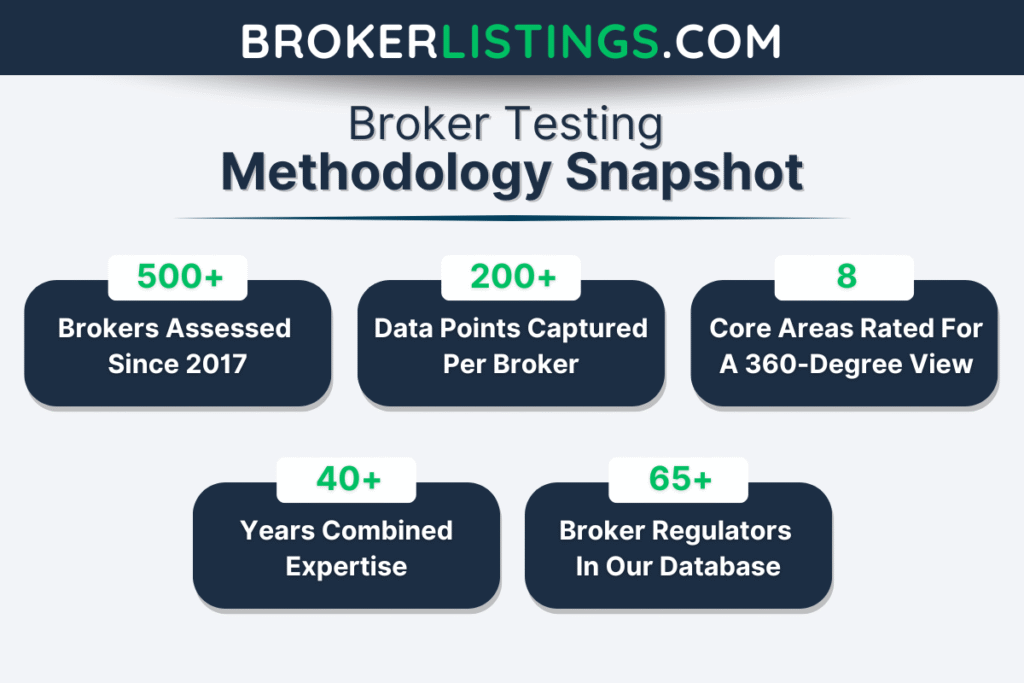
- We then applied our hands-on testing methodology. Our experienced traders and brokerage experts assessed each provider across 8 core categories, collected more than 200 data points per broker, and documented their platform experience in detail. Those findings fed into each broker’s overall rating, which we then used to determine the final rankings.
How To Choose A Broker In Australia
Participation in financial markets among retail investors has been on the rise in Australia, as the number of online platforms offering low trading fees grows. Data shows that more than one in three Australians now hold shares.
The amount of choice investors and traders have is better than ever. But as with many other regions, factors like dealing costs, market access and the quality of the trading platform can differ significantly among brokers. We know we’ve tested dozens of them.
What are the key things to look out for when choosing a service provider? We’ve narrowed it down to the following questions:
How Trustworthy Is The Broker?
A rise in the number of retail investors has sadly led to a similar climb in the number of fraudsters out there. We’re talking about people who are looking to run off with your money as well as your personal information.
This means it’s critical to check the brokerage under consideration is officially recognized by a reputable financial sector watchdog, such as the Australian Securities and Investments Commission (ASIC).
ASIC is classified as a Category A regulator under BrokerListings.com’s Regulator Ranking System. This means investors can expect strong levels of protection from bad business practices and scammers.
One of ASIC’s key self-stated objectives is “to promote confident and informed participation by investors and consumers in the financial system.” It does this by ensuring that Australia’s financial markets are transparent, fair and efficient, and by slapping sanctions on individuals and companies who breach its rules.
Pro tip: ASIC maintains a list of approved financial services providers on its website for investors to check a company’s regulatory status. It also publishes a ‘warning list’ via the Moneysmart website to inform individuals of companies that have been engaging in fraudulent activities or operating without a license.
Firms who operate under ASIC rules must offer certain protections to clients, including restrictions on leverage (funds lent by the brokerage), separation of customer and broker funds, and negative balance protection (which means investors can’t lose more than they deposit). Customers who feel they have been the victim of broker misconduct can take their case to the Australian Financial Complaints Authority (AFCA).
Top broker for trust: Trade Nation is licensed to trade in Australia by ASIC, along with a string of other global regulators including the Financial Conduct Authority (FCA) in the UK.
Source: ASIC
How Much Does It Cost To Invest?
It’s not just transaction fees that investors and traders need to consider. Account management fees, deposit and withdrawal charges, inactivity fees, and overnight costs can all add up over time.
It’s also important to consider how wide buy (bid) and sell (ask) prices are among brokers. This is especially important for active traders – large spreads for active traders may be more problematic than above-average account management fees, for instance.
For this reason, think about your trading and investing style, including how often you plan to buy and sell assets. Individuals who only make one monthly investment, for example, may not be as impacted by higher transaction charges.
When factoring in trading costs, it’s important to consider whether you’re happy to pay a little more for the service if you’re getting more ‘bang for your buck.’ For instance, you might want to pay a bit more if you receive extra educational materials and a better trading platform that you think may you an edge.
Top broker for trading costs: Fusion Markets is one of the cheapest brokers out there for Australian clients. With its Zero trading account, customers enjoy low trading commissions of USD$2.25 and spreads of 0.0.
Pro tip: Certain brokers also offer trading accounts that are denominated in Australian dollars. The advantage? Individuals are protected from often-costly currency conversion fees that can eat into profits. Some brokers also offer funding methods that are particularly popular in Australia, such as PayID and BPay.
Which Securities Can I Invest In?
The majority of brokers we’ve tested offer trading of shares on the Australian Securities Exchange (ASX). Popular major forex pairings involving the Australian dollar (like the AUD/USD) and other heavyweight currencies and are also widely available.
Other assets like bonds, exchange-traded funds (ETFs), commodities and cryptocurrencies also be traded too. Furthermore, derivative instruments like futures, options and contracts for difference (CFDs) are popular with traders in Australia.
However, the range of tradeable markets can vary enormously among brokers. So if you’re thinking of buying shares in a small cap US company, for instance, or of buying a minor currency pairing (like the AUD/NZD), it’s important to check the broker you’re considering offers trading in them.
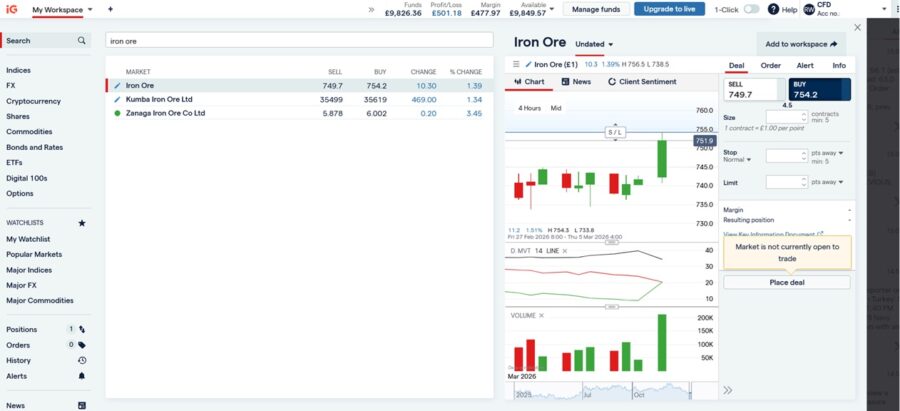
Top broker for range of markets: IG offers trading on ASX-listed shares alongside other instruments like forex, commodities and crypto. It also provides more than 17,000 CFDs across a range of markets.
Source: IG
What Are The Trading Tools Like?
It’s likely you won’t know the best trading platform for you until you sign up with a broker. The good news is that many top service providers offer a demo account so you can put the company’s software through its paces before putting any actual money on the line.
Whether or not you like a brokerage’s dealing platform may come down to personal taste. Opinions on whether a bright green trading platform like eToro’s is attractive or an eyesore for instance differs considerably!
Having said that, certain platform characteristics are non-negotiables, and it’s critical to check them before you begin trading with real cash.
These include:
- How simply and quickly trades can be placed and executed.
- How extensively the platform can be customized – consider things like menu layout, watchlists, hotkeys and chart indicators.
- How stable the trading platform is, and especially during busy periods (market activity can leap when major economic data like Australian inflation or retail sales reports are released, for example).
- How secure the online platform is from hackers and fraudsters – think about verification requirements when signing in or withdrawing cash, for instance.
- How wide the platform’s range of educational resources and research tools are – some will offer valuable features like news feeds, economic calendars, analyst notes and trader forums.
- How easy it is to monitor your portfolio, track its performance, view dividends, get a full breakdown of your asset allocation, and so forth.
Top broker for trading tools: Pepperstone offers trading through advanced third-party software like MetaTrader 5 (MT5) and TradingView. These platforms are popular thanks to their highly customizable interfaces, rapid execution speeds, advanced charting tools and automated trading capabilities.
On top of this, Pepperstone operates a mobile app (for both Android and iOS) for individuals who wish to trade and monitor their portfolios on the go.
Bottom Line
Australia’s competitive financial services market means investors have an excellent choice of service providers. It’s especially important to think about things like trading costs, the quality of the broker’s trading tools, and the range of securities that can be traded.
The most critical thing to check is that the broker is licensed by ASIC or another highly reputable global regulator. The rise of online fraud means it’s critical to check that your money and your personal information is in safe hands. That said, remember regardless of which broker you choose, online trading is high risk.
FAQs
Who Regulates Brokers In Australia?
Licensing and monitoring brokerages comes under the remit of the Australian Securities and Investments Commission (ASIC). Companies and individuals who illegally offer financial services or fall short of industry standards can be subject to painful sanctions including heavy financial penalties.
Can I Open A Brokerage Account In Australia With AUD As My Base Currency?
Yes, many brokers that cater to Australian residents offer AUD-denominated accounts. This can make deposits, withdrawals, and portfolio management simpler, while also reducing unnecessary foreign exchange conversion on routine account activity.
Are International Brokers Safe For Australian Traders To Use?
They can be, but safety depends on the broker’s regulatory status, client fund protections, reputation, and operational history. Some international brokers also hold ASIC authorisation, while others may only be overseen by offshore regulators, whereby Australians could receive fewer regulatory protections.
What Is The Best Investing Account For Me?
Investors can choose from a bog standard trading account, though others are also available that may be more suitable according to your personal circumstances.
If you are married, for instance, you might want to consider opening a joint account. Alternatively, if you prefer to take a hands-off approach to investing, you can open a managed account where a third-party – often a human advisor, but increasingly an automated roboadvisor – will manage your portfolio on your account.
If you want to use borrowed funds (or leverage) to open larger positions, you can also select a margin account. This strategy should only be used by experienced traders and investors that have a high tolerance of risk.