Best Brokers With Volatility Index 2026
After our hands-on tests and analysis, these brokers excel at offering volatility index trading, helping you seize market opportunities.
 Written By
Paul Holmes
With over 15 years of trading experience, including developing algorithmic strategies on MetaTrader and evaluating brokers, he brings deep expertise in market analysis and trader education, helping traders choose the right platform for their requirements.
Paul Holmes Profile Page Fact Checked By
Tobias Robinson
Tobias is committed to helping traders find the right brokerage for their needs. He has tested 200+ brokers, spent 2,600+ hours using different platforms, and placed 2,100+ trades.
Tobias Robinson Profile Page Edited By
James Barra
James is an experienced broker analyst with a background in financial services. He has spent 2,500+ hours testing brokers, used 35+ different platforms and apps, audited 120+ broker T&Cs, and verified 300+ regulatory licenses. James has also been on US and UK TV, and been a guest on finance podcasts, discussing reports conducted by BrokerListings.com and sharing his expertise.
James Barra Profile PageOctober 9, 2026
 Our Top Pick in USA
1
Our Top Pick in USA
1
 eToro USA
-
Available in United States
Not available in United States
Rating breakdownVisit eToro USA Read ReviewSecurities trading offered by eToro USA Securities, Inc. (“the BD”), member of FINRA and SIPC. Cryptocurrency offered by eToro USA LLC (“the MSB”) (NMLS: 1769299) and is not FDIC or SIPC insured. Investing involves risk. This site is not an affiliate and may be compensated if you access certain products or services offered by the MSB and/or the BD.
When testing eToro USA, we accessed VIX futures and ETF options (e.g., VXX) on their platform. Execution was smooth, and charts were real-time. Spreads were around 2 points on VIX futures, and built-in sentiment tools aided in timing trades.
- Demo Account
- ✓
- Minimum Deposit
- $50
- Minimum Trade
- $10
- Leverage
- ✗
- Copy Trading
- ✓
- Regulator
- SEC, FINRA
- Instruments
- Stocks, Options, ETFs, Crypto
- Platforms
- eToro Trading Platform & CopyTrader
- Account Currencies
- USD
- Automated Trading
- ✗
- AI
- ✓
- Guaranteed Stop Loss
- ✗
Top VIX Brokers Comparison
| Broker | |
USD Account |
Demo Account |
Minimum Deposit |
Minimum Trade |
Leverage |
Copy Trading |
Regulator |
Instruments |
Platforms |
Account Currencies |
Automated Trading |
AI |
Guaranteed Stop Loss |
|---|---|---|---|---|---|---|---|---|---|---|---|---|---|---|
|
✓ | ✓ | $50 | $10 | ✗ | ✓ | SEC, FINRA | Stocks, Options, ETFs, Crypto | eToro Trading Platform & CopyTrader | USD | ✗ | ✓ | ✗ | |
| Broker | |
USD Account |
Demo Account |
Minimum Deposit |
Minimum Trade |
Leverage |
Copy Trading |
Regulator |
Instruments |
Platforms |
Account Currencies |
Automated Trading |
AI |
Guaranteed Stop Loss |
Safety Comparison
Compare how safe the Best Brokers With Volatility Index 2026 are.
| Broker | Trust Rating |
Guaranteed Stop Loss |
Negative Balance Protection |
Segregated Accounts |
|---|---|---|---|---|
|
✗ | ✗ | ✓ | |
| Broker | Trust Rating |
Guaranteed Stop Loss |
Negative Balance Protection |
Segregated Accounts |
Mobile Trading Comparison
Compare the mobile trading features of the Best Brokers With Volatility Index 2026.
| Broker | Mobile Apps |
iOS Rating |
Android Rating |
Smart Watch App |
|---|---|---|---|---|
|
iOS & Android | ✗ | ||
| Broker | Mobile Apps |
iOS Rating |
Android Rating |
Smart Watch App |
Comparison for Beginners
Compare how suitable the Best Brokers With Volatility Index 2026 are for beginners.
| Broker | Demo Account |
Minimum Deposit |
Minimum Trade |
Education Rating |
Support Rating |
Fractional Shares |
Demo Competitions |
|---|---|---|---|---|---|---|---|
|
✓ | $50 | $10 | ✓ | ✗ | ||
| Broker | Demo Account |
Minimum Deposit |
Minimum Trade |
Education Rating |
Support Rating |
Fractional Shares |
Demo Competitions |
Comparison for Advanced Traders
Compare how suitable the Best Brokers With Volatility Index 2026 are for advanced or professional traders.
| Broker | Automated Trading |
VPS |
API |
AI |
Pro Account |
Leverage |
Low Latency |
Extended Hours |
|---|---|---|---|---|---|---|---|---|
|
✗ | ✗ | ✓ | ✓ | ✗ | ✗ | ✓ | ✓ |
| Broker | Automated Trading |
VPS |
API |
AI |
Pro Account |
Leverage |
Low Latency |
Extended Hours |
Accounts Comparison
Compare the trading accounts offered by Best Brokers With Volatility Index 2026.
| Broker | Demo Account |
Interest on Cash |
Islamic Account |
Joint Account |
Managed Account |
PAMM |
MAM |
LAMM |
Pro Account |
|---|---|---|---|---|---|---|---|---|---|
|
✓ | USD: 4.05% | ✗ | ✗ | ✓ | ✗ | ✗ | ✗ | ✗ |
| Broker | Demo Account |
Interest on Cash |
Islamic Account |
Joint Account |
Managed Account |
PAMM |
MAM |
LAMM |
Pro Account |
Detailed Rating Comparison
Compare how we rated the Best Brokers With Volatility Index 2026 in key areas.
| Broker | Trust |
Platforms |
Assets |
Mobile |
Fees |
Accounts |
Research |
Education |
Support |
|---|---|---|---|---|---|---|---|---|---|
|
|||||||||
| Broker | Trust |
Platforms |
Assets |
Mobile |
Fees |
Accounts |
Research |
Education |
Support |
Fee and Cost Comparison
Compare the cost of trading with the Best Brokers With Volatility Index 2026.
| Broker | Cost Rating |
Fixed Spreads |
Inactivity Fee |
EUR/USD Spread |
Crypto Spread |
|---|---|---|---|---|---|
|
✓ | $10 | ✗ | BTC 0.75% | |
| Broker | Cost Rating |
Fixed Spreads |
Inactivity Fee |
EUR/USD Spread |
Crypto Spread |
Customer Ratings
Compare how customers of these brokers feel about them, with real user ratings from Trustpilot, the Apple App Store and Google Play.
| Broker | Customers |
Trustpilot Score |
Trustpilot Reviews |
Android App Rating |
iOS App Rating |
|---|---|---|---|---|---|
|
3,200,000 | 32,259 | |||
| Broker | Customers |
Trustpilot Score |
Trustpilot Reviews |
Android App Rating |
iOS App Rating |
Broker Popularity
See how popular the Best Brokers With Volatility Index 2026 are in terms of number of clients.
| Broker | Popularity |
|---|---|
| eToro USA |
|
Why Trade With eToro USA?
eToro is a strong choice for traders seeking social investing and copy trading. Its low deposit, zero commissions, and easy-to-use platform suit new traders.
James BarraReview Author
Pros
- A free demo account enables new users and potential traders to test the broker without risk.
- The eToro App Store launched in 2026, offering algorithmic trading tools and social analytics. In July, it introduced an AI-powered app for autonomous trading.
- eToro USA Securities is a reliable broker that's regulated by the SEC, part of FINRA, and a member of SIPC.
Cons
- Traders used to third-party charting tools won't find MetaTrader 4 platform integration.
- Average fees may reduce active traders' profit margins.
- eToro USA was fined $1.5 million by the SEC in 2024 for unregistered crypto offerings.
Filters
How We Chose the Best Brokers With VIX
To identify the best brokers for VIX trading, we ranked providers based on overall ratings, considering:
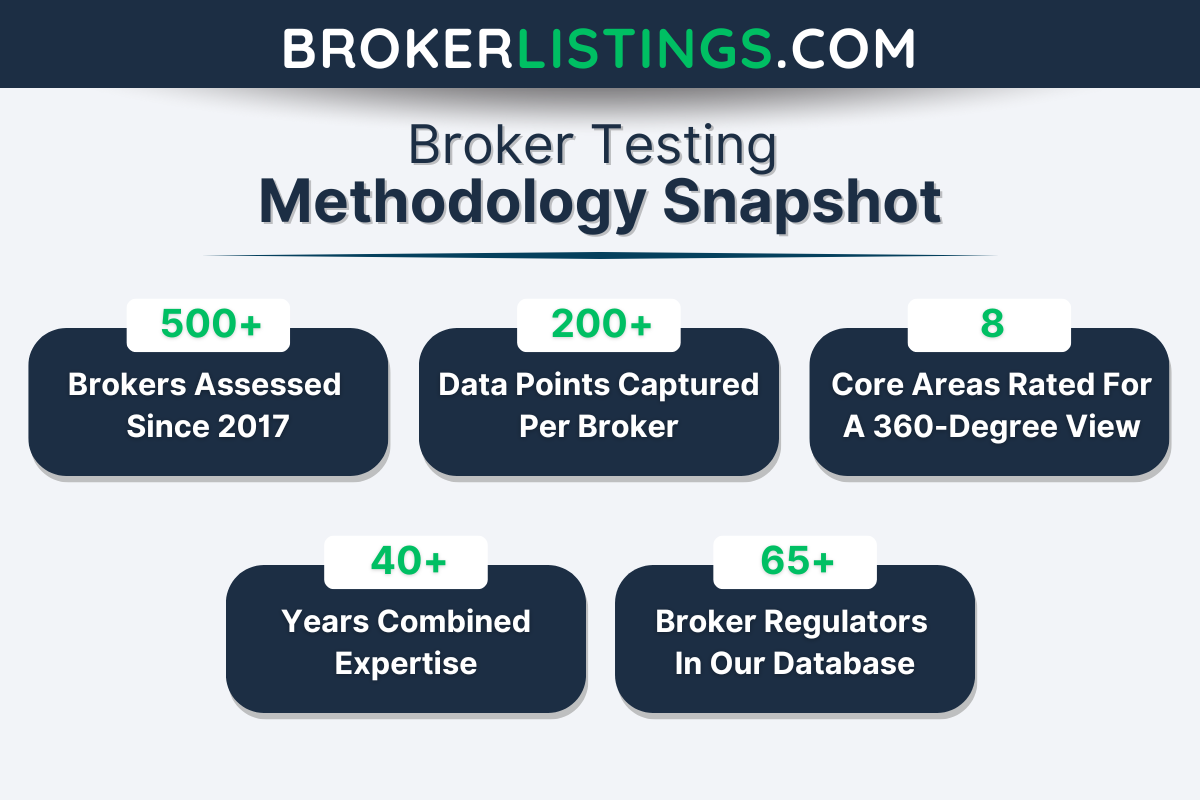
- Quantitative Metrics: Our analysis covered over 200 data points per broker, focusing on VIX trading availability, fees, platforms, research, education, support, and trust.
- Qualitative Insights: Hands-on testing assessed platform usability and advanced features like insights into VIX values and risk management features to enhance the trading experience.
What to Look for in a Top Broker Offering Volatility Index Trading
The VIX, or Volatility Index, is one of the most fascinating tools in the trading world, offering insights into market sentiment and potential profit opportunities.
But here’s the thing: trading the VIX isn’t as straightforward as buying stocks or forex. As a starting point, you need the right broker, and not all are created equal from our tests.
Here are the five key things to consider:
VIX-Specific Tools
Look for brokers that offer VIX futures, options, or ETFs, along with charts and analytics tailored to volatility.
Interactive Brokers is a top choice for asset variety with VIX futures, VIX options, VIX ETFs and terrific access to global markets, including the CBOE (where the VIX is traded).
Low Fees and Tight Spreads
Volatility trading can be fast-paced, so high fees can eat into your profits.
Pepperstone works best for traders who prefer CFDs for VIX trading with low spreads.
Reliable Platforms
A stable, user-friendly platform is a must, especially during high-volatility events.
XTB is a well-known broker with a strong reputation and CFDs on VIX. It also offers shares and CFDs on popular US-listed volatility funds like VXX, UVXY, and SVXY. Plus it sports a highly intuitive platform with advanced charting tools.
Regulation and Security
Always choose a broker regulated by reputable authorities like the SEC, FCA, or ASIC.
CMC Markets is a well-regulated broker. It offers a user-friendly platform and access to various markets, including volatility products like VIX ETFs and CFDs on VIX futures.
Customer Support
When things get volatile (pun intended), you’ll want quick access to help.
Pepperstone is a premium broker offering access to the VIX Cash Index CFD, taking the front-month VIX futures contract, adjusting it by a fair-value weighting, and creating a rolling continuous cash price that will appeal to active traders. It offers advanced trading platforms with professional-grade tools and reliable support 24/5.
Educational Resources
Look for brokers that offer tutorials, webinars, or articles on VIX trading.
IG is great if you want education on the VIX, with a well-presented guide to how it works, learning and calculating VIX values, and more.
Pro Tip: Demo accounts are your best friend. Try out the broker’s paper trading platform and tools for trading the VIX before committing real money.
How to Trade the VIX with the Best Brokers
Let’s walk through how to trade the VIX step by step, along with some tips to help you succeed:
Step 1: Understand the Basics of VIX Trading
Before you dive in, it’s crucial to understand what you’re dealing with. The VIX isn’t a stock or a commodity – it’s an index that measures volatility. This means:
- You Can’t Trade the VIX Directly: You trade instruments that track or are derived from the VIX, like futures, options, or ETFs.
- It’s All About Volatility: The VIX doesn’t tell you whether the market will go up or down – it tells you how much the market might move.
- Timing is Key: The VIX is highly sensitive to market events, so staying informed is critical.
Step 2: Choose Your VIX Trading Instrument
There are several ways to trade the VIX, each with pros and cons. Here’s a quick breakdown:
VIX Futures
- What it is: Contracts that allow you to bet on where the VIX will be at a future date.
- Best for: Intermediate to advanced traders who understand futures trading.
- Pros: Direct exposure to the VIX and high liquidity.
- Cons: Requires a margin account and can be complex for beginners.
VIX Options
- What it is: Options contracts tied to VIX futures, giving you the right to buy or sell at a specific price.
- Best for: Traders who want flexibility and leverage.
- Pros: Limited risk (you can only lose what you paid for the option).
- Cons: Time decay can work against you, and pricing can be tricky.
VIX ETFs and ETNs
- What it is: Exchange-traded funds and notes that track the VIX or VIX futures. Examples include VIXY and VXX.
- Best for: Beginners or those who prefer simplicity.
- Pros: Easy to trade, no need for a futures account.
- Cons: Often less accurate in tracking the VIX due to the structure of futures-based ETFs.
Step 3: Develop a Trading Strategy
Trading the VIX isn’t just about buying low and selling high. It’s about understanding market sentiment and using the right strategy for your goals. Here are a few common approaches:
Hedging Your Portfolio
- What it is: Using the VIX to protect your portfolio during market downturns.
- How it works: If you think the market might drop, you can buy VIX-related products (like ETFs or options) to offset potential losses in your portfolio.
- Example: If you own many S&P 500 stocks, buying VIX calls can act as insurance against a market crash.
Speculating on Volatility
- What it is: Betting on future increases or decreases in volatility.
- How it works: If you think the market will become more volatile (e.g., due to an earnings season or geopolitical event), you can buy VIX futures or ETFs. If you think the market will calm down, you can short the VIX.
- Example: Before a Federal Reserve announcement, you might buy VIX calls if you expect a significant market reaction.
Trading VIX Spikes
- What it is: Taking advantage of short-term spikes in the VIX.
- How it works: The VIX often spikes during market panics and then quickly falls back. After a spike, traders can profit by selling VIX-related products.
- Example: After a major market sell-off, you might sell VIX futures or ETFs as volatility normalises.
Step 4: Start Small and Stay Informed
VIX trading can be risky, especially for beginners. Here’s how to minimize your risk:
- Start Small: Begin with a small position to get a feel for how the VIX moves.
- Use a Demo Account: Many brokers offer demo accounts where you can practice trading the VIX without risking real money.
- Stay Informed: Monitor market news, economic events, and earnings reports that could impact volatility.
Step 5: Manage Your Risk
The VIX can be unpredictable, so risk management is key. Here are some tips:
- Set Stop-Loss Orders: Automatically exit a trade if it moves against you.
- Diversify: Don’t put all your money into VIX-related trades.
- Avoid Overtrading: The VIX can be tempting to trade frequently, but too much trading can lead to losses.
Step 6: Learn from the Pros
One of the best ways to improve your VIX trading skills is to learn from experienced traders. Here’s how:
- Follow Market Analysts: Many analysts specialise in volatility trading and share insights on platforms like Twitter or YouTube.
- Join Trading Communities: Online forums and social media groups can be great places to exchange ideas and strategies.
- Read Books and Articles: Plenty of resources are available on volatility trading, from beginner guides to advanced strategies.
FAQ
What is the VIX (Fear Index)?
The VIX, often called the “fear index,” measures market volatility. It’s calculated by the Chicago Board Options Exchange (CBOE) and tracks the expected volatility of the S&P 500 over the next 30 days. Here’s the lowdown:
- What it measures: The VIX gauges how much investors expect the market to swing. A high VIX means more fear and uncertainty, while a low VIX suggests calm and confidence.
- Why it matters: Traders use the VIX to hedge against market downturns or speculate on future volatility. It’s like a crystal ball for market sentiment.
- How it’s traded: You can’t trade the VIX directly, but you can trade VIX futures, options, or ETFs through brokers.