
Best DMA Brokers 2026
We tested brokers with Direct Market Access (DMA) and ranked the best options, providing transparency, tight spreads, and excellent market liquidity.
 Written By
Royston Wild
Royston is a seasoned investor and financial writer with over a decade of experience analyzing brokers and investment markets. With a background in stocks, commodities, and forex reporting - he brings a fresh perspective to broker evaluations.
Royston Wild Profile Page Fact Checked By
Tobias Robinson
Tobias is committed to helping traders find the right brokerage for their needs. He has tested 200+ brokers, spent 2,600+ hours using different platforms, and placed 2,100+ trades.
Tobias Robinson Profile Page Edited By
James Barra
James is an experienced broker analyst with a background in financial services. He has spent 2,500+ hours testing brokers, used 35+ different platforms and apps, audited 120+ broker T&Cs, and verified 300+ regulatory licenses. James has also been on US and UK TV, and been a guest on finance podcasts, discussing reports conducted by BrokerListings.com and sharing his expertise.
James Barra Profile PageAugust 10, 2026
-
1
During our tests, Interactive Brokers provided institutional-grade DMA with excellent order book depth, fast execution, and minimal slippage, even in volatile markets. Commissions ranged by volume but averaged $2–$3 per lot. Its SmartRouting system ensured top-quality fills, making it perfect for high-frequency and professional traders who need precision and control.
-
2
FOREX.com offers true DMA only through its DMA account. It provides fast execution, full order book access, raw spreads, and commissions from $6 per lot round turn. Best for professional, high-volume traders seeking transparency and direct market access.
Top DMA Brokers Comparison
| Broker |  |
USD Account |
Execution Speed |
Guaranteed Stop Loss |
Leverage |
|---|---|---|---|---|---|
 |
✓ | ✓ | ✗ | 1:50 (major forex pairs), 1:2-1:4 (equities) | |
 |
✓ | ✓ | ✗ | 1:50 | |
| Broker | |
USD Account |
Execution Speed |
Guaranteed Stop Loss |
Leverage |
Broker Details Comparison
| Broker | Demo Account |
Minimum Deposit |
Minimum Trade |
Leverage |
Assets |
Platforms |
|---|---|---|---|---|---|---|
|
✓ | $0 | $0 | 1:50 (major forex pairs), 1:2-1:4 (equities) | Stocks, Options, Futures, Forex, Funds, Bonds, ETFs, Mutual Funds, Cryptocurrencies, CFDs Stocks, Options, Futures, Forex, Funds, Bonds, ETFs, Mutual Funds, Cryptocurrencies | Trader Workstation (TWS), IBKR Desktop, GlobalTrader, Mobile, Client Portal, AlgoTrader, OmniTrader, TradingView, eSignal, TradingCentral, ProRealTime, Quantower |
|
✓ | $100 | 0.01 Lots | 1:50 | Forex, Futures and Options on Metals, Energies, Commodities, Indices, Bonds Forex, CFDs, Stock CFDs, Indices, Commodities, Futures, Options, Crypto | WebTrader, Mobile, MT4, MT5, TradingView |
| Broker | Demo Account |
Minimum Deposit |
Minimum Trade |
Leverage |
Assets |
Platforms |
Safety Comparison
Compare how safe the Best DMA Brokers 2026 are.
| Broker | Trust Rating |
Guaranteed Stop Loss |
Negative Balance Protection |
Segregated Accounts |
|---|---|---|---|---|
|
✗ | ✗ | ✓ | |
|
✗ | ✗ | ✓ | |
| Broker | Trust Rating |
Guaranteed Stop Loss |
Negative Balance Protection |
Segregated Accounts |
Mobile Trading Comparison
Compare the mobile trading features of the Best DMA Brokers 2026.
| Broker | Mobile Apps |
iOS Rating |
Android Rating |
Smart Watch App |
|---|---|---|---|---|
|
iOS & Android | ✓ | ||
|
iOS & Android | ✗ | ||
| Broker | Mobile Apps |
iOS Rating |
Android Rating |
Smart Watch App |
Comparison for Beginners
Compare how suitable the Best DMA Brokers 2026 are for beginners.
| Broker | Demo Account |
Minimum Deposit |
Minimum Trade |
Education Rating |
Support Rating |
Fractional Shares |
Demo Competitions |
|---|---|---|---|---|---|---|---|
|
✓ | $0 | $0 | ✓ | ✗ | ||
|
✓ | $100 | 0.01 Lots | ✗ | ✗ | ||
| Broker | Demo Account |
Minimum Deposit |
Minimum Trade |
Education Rating |
Support Rating |
Fractional Shares |
Demo Competitions |
Comparison for Advanced Traders
Compare how suitable the Best DMA Brokers 2026 are for advanced or professional traders.
| Broker | Automated Trading |
VPS |
API |
AI |
Pro Account |
Leverage |
Low Latency |
Extended Hours |
|---|---|---|---|---|---|---|---|---|
|
Capitalise.ai, TWS API | ✗ | ✓ | ✓ | ✗ | 1:50 (major forex pairs), 1:2-1:4 (equities) | ✓ | ✓ |
|
Expert Advisors (EAs) on MetaTrader | ✓ | ✓ | ✓ | ✗ | 1:50 | ✓ | ✗ |
| Broker | Automated Trading |
VPS |
API |
AI |
Pro Account |
Leverage |
Low Latency |
Extended Hours |
Accounts Comparison
Compare the trading accounts offered by Best DMA Brokers 2026.
| Broker | Demo Account |
Interest on Cash |
Islamic Account |
Joint Account |
Managed Account |
PAMM |
MAM |
LAMM |
Pro Account |
|---|---|---|---|---|---|---|---|---|---|
|
✓ | USD: 3.14%, GBP: 3.24% | ✗ | ✓ | ✓ | ✗ | ✓ | ✗ | ✗ |
|
✓ | ✗ | ✓ | ✗ | ✗ | ✗ | ✗ | ✗ | ✗ |
| Broker | Demo Account |
Interest on Cash |
Islamic Account |
Joint Account |
Managed Account |
PAMM |
MAM |
LAMM |
Pro Account |
Detailed Rating Comparison
Compare how we rated the Best DMA Brokers 2026 in key areas.
| Broker | Trust |
Platforms |
Assets |
Mobile |
Fees |
Accounts |
Research |
Education |
Support |
|---|---|---|---|---|---|---|---|---|---|
|
|||||||||
|
|||||||||
| Broker | Trust |
Platforms |
Assets |
Mobile |
Fees |
Accounts |
Research |
Education |
Support |
Fee and Cost Comparison
Compare the cost of trading with the Best DMA Brokers 2026.
| Broker | Cost Rating |
Fixed Spreads |
Inactivity Fee |
EUR/USD Spread |
Crypto Spread |
|---|---|---|---|---|---|
|
✗ | $0 | 0.08-0.20 bps x trade value | 0.12%-0.18% | |
|
✗ | $15 | 1.2 | BTC 1.4%, ETH 2% | |
| Broker | Cost Rating |
Fixed Spreads |
Inactivity Fee |
EUR/USD Spread |
Crypto Spread |
Customer Ratings
Compare how customers of these brokers feel about them, with real user ratings from Trustpilot, the Apple App Store and Google Play.
| Broker | Customers |
Trustpilot Score |
Trustpilot Reviews |
Android App Rating |
iOS App Rating |
|---|---|---|---|---|---|
|
4,300,000 | 5,501 | |||
|
450,000 | 2,498 | |||
| Broker | Customers |
Trustpilot Score |
Trustpilot Reviews |
Android App Rating |
iOS App Rating |
Broker Popularity
See how popular the Best DMA Brokers 2026 are in terms of number of clients.
| Broker | Popularity |
|---|---|
| Interactive Brokers |
|
| FOREX.com |
|
Why Trade With Interactive Brokers?
Interactive Brokers is ideal for seasoned traders due to its robust charting platforms, updated data, and adaptability, especially with the IBKR Desktop application. Its exceptional pricing and advanced order features appeal to traders, and its variety of stocks remains unmatched in the market.
Pros
- The new IBKR Desktop platform combines the advantages of TWS and adds unique tools like Option Lattice and Screeners with MultiSort to make trading accessible and impressive for traders of all levels.
- There's a large selection of free or paid research subscriptions available to all traders. If you subscribe to Toggle AI, you will also receive commission refunds from IBKR.
- The TWS platform is designed for intermediate to advanced traders. It includes over 100 order types and a dependable real-time market data feed that rarely experiences downtime.
Cons
- Customer service may take time to respond, and there may be delays in fixing problems based on tests. It could be difficult to reach the customer service promptly.
- IBKR offers many research tools. However, the tools are not uniformly distributed across trading platforms and the web-based 'Account Management' page, causing confusion for the users.
- In 2025, IBKR was fined $11.8 million by the US OFAC for offering services in restricted areas. It also faced a $125,000 fine from FINRA in 2025 for failing to disclose municipal bond information.
Why Trade With FOREX.com?
FOREX.com is a top-tier brokerage suitable for forex traders of all skill levels. It offers more than 80 currency pairs, has small spreads starting from 0.0 pips, and features low fees. The platform provides powerful charting tools that include over 100 technical indicators and multiple research aids.
Pros
- Educational resources include tutorials, webinars, and a YouTube channel to help you learn about financial markets.
- FOREX.com provides top-tier forex pricing beginning at 0.0 pips. They also offer competitive cashback rebates up to 15% for dedicated traders.
- The in-house Web Trader is a top platform for new traders, featuring a sleek design and over 80 technical indicators for market analysis.
Cons
- FOREX.com, part of GAIN Capital Group LLC, paid a $700,000 fine to the NFA for mismanaging client accounts.
- FOREX.com's MT4 platform provides around 600 instruments for trading, which is considerably less than the 5,500+ options accessible on its other platforms.
- Demo accounts have a limited time duration of 90 days, which may not be sufficient for thoroughly testing trading strategies.
Filters
Methodology
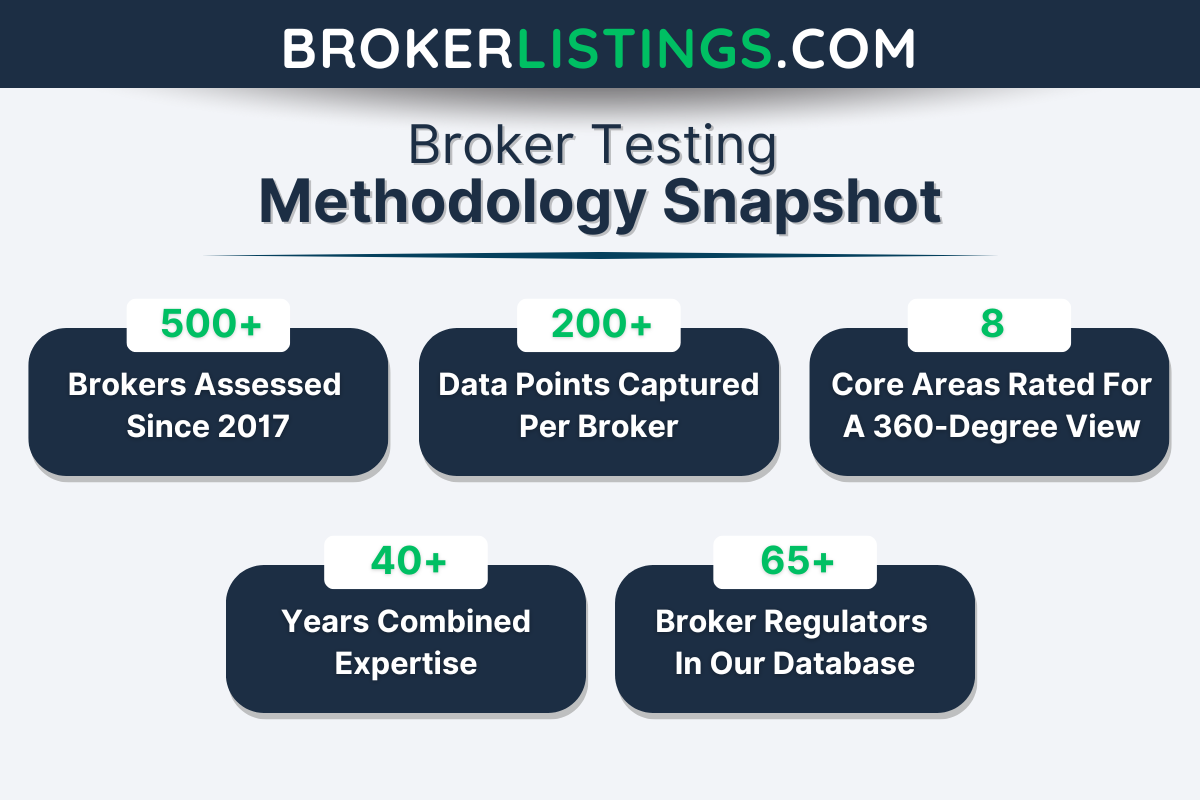
We analyzed a wide range of brokers offering direct market access (DMA), considered over 200 data points, and assigned each broker an overall score.
Based on these ratings, we compiled a ranking of the top DMA forex and CFD brokers.
What To Look For in a Broker With DMA
Drawing on our years of testing DMA brokers and the best trading accounts on offer, these are the most important things to look out for when selecting a service provider:
Liquidity
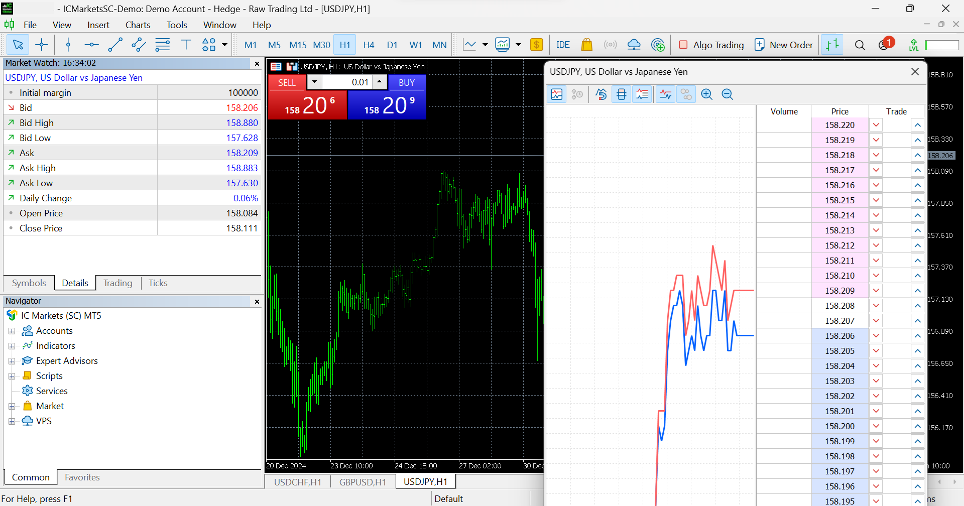
A key feature of DMA trading is the deeper liquidity that it can provide.
Not only can this make for easy and swift trading, but a higher number of buyers and sellers also typically means better prices thanks to narrower bid and ask spreads.
Choose a broker that offers deep pools of liquidity and multiple markets.
Execution Speed
The ability to execute trades quickly is critical, especially for high-frequency short-term traders.
Search for fast brokers offering stable platforms that minimize the time delay (latency) between when an order is placed and when it’s executed in the marketplace.
Pepperstone, which introduced DMA trading, is seriously fast, with execution speeds averaging just 30ms.
Risk Management Tools
Effective risk management is an essential part of modern trading, particularly in fast-moving and volatile markets.
A failure to diligently handle this can cause you to miss out on potential profits or leave you nursing large losses.
Ensure that the broker you choose provides devices that allow you to manage risk. These can include take profit and stop loss instructions, tools which will automatically close my trade when an asset price rises or falls to a specified level, whichever happens first.
IG impressed during testing with its robust risk management tools, notably guaranteed stop loss orders.
Cost
The price of a DMA service can vary substantially from broker to broker based on our evaluations. This can be because of different bid and ask spreads, broker commissions and other fees.
The cost of DMA trading software, combined with the expense of obtaining Level 2 data, could cost you hundreds of dollars each year. So you need to consider how frequently you plan to trade, and whether paying for direct access is cost effective.
For example, IC has long stood out for its excellent pricing in our tests, starting from 0.0 pips.
Leverage
The use of leverage (or lent funds from the broker) can be commonplace across active trading strategies.
Those planning to adopt this high-risk, high-reward practice should consider the amount of leverage on offer – this can differ considerably amongst brokers – as well as other margin requirements.
The amount of leverage on offer will depend on where you’re based and the market/s in which you’re trading. The use of borrowed funds is restricted or banned altogether in some regions to reduce trader risk.
FxPro offers high leverage reaching 1:1000 for some global clients, increasing returns but also the size of losses.
Platforms and Tools
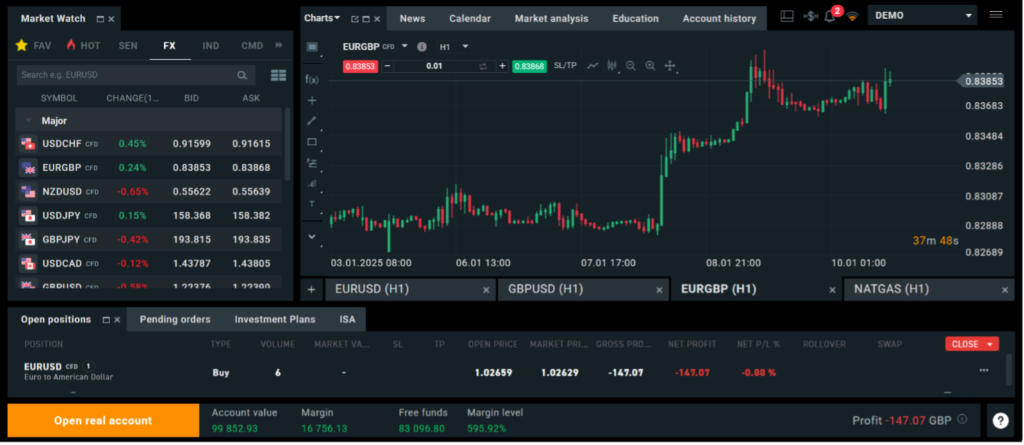
Ensure that the broker offers a range of devices that aid swift and effective decision-making.
These can include advanced technical analysis tools, customizable order types, or sophisticated trading platforms like TradingView, which I love for its comprehensive features and ultra-sleek design.
Your broker may also provide additional resources like trading guides and demo accounts to help you get up to speed with the market.
For instance, XTB offers an easy access demo mode which is a great starting point for newer traders.
Regulation
Last – and certainly not least – make sure that the broker you choose is licenced to trade by a reputable financial authority.
Top-tier examples include the Financial Conduct Authority (FCA) in the UK, the Swiss Financial Market Supervisory Authority (FINMA), and the Japanese Financial Services Agency (JFSA).
Using an authorized company will help protect you from bad actors, and ensure that you enjoy a minimum standard of service when trading.
IG has long stood out as our most trusted DMA broker, with licenses from seven first-rate regulators. IG is also used personally by some of our team.
What is a DMA Broker?
A DMA broker allows you to deal directly in the market, in other words, to place buy and sell orders directly into say a stock exchange’s order book.
This real-time order execution can give traders an edge, particularly in fast-paced markets.
Pros and Cons of Using a DMA Broker
Pros
- More efficient trading. Direct access to the market gives you the opportunity to execute trades more quickly and simply. This is especially important for short-term traders and for fast-paced markets like forex.
- Superior pricing. You may be able to make greater profits thanks to tighter bid and ask spreads, though returns are never guaranteed and you need to watch out for hidden brokerage costs.
- Enhanced transparency. Full visibility of order books means traders can avoid hidden markups and costs. Furthermore, being able to see everyone else’s buy and sell instructions gives you a better idea of supply and demand, and therefore a clearer understanding of where to pitch your price.
- Price adjustment. DMA allows you to ‘test’ the price you wish to trade at, and to alter your buying and selling prices according to other bid and ask values in the order book.
Cons
- Added expense. The perks of direct access to the market can make it significantly more expensive than using the services of a traditional broker.
- Trading blackouts. Individuals may miss trading opportunities or book serious losses if their internet connection or trading platform breaks down. This is because not all DMA brokers accept telephone orders.
- Large minimum deposits. DMA brokers can require significant initial deposits that run into tens of thousands of dollars.