

Best Brokers With Trading Tournaments 2026
Jump into our selection of the best brokers with trading tournaments, providing opportunities to test your skills against other traders and even win cash prizes.
 Written By
Paul Holmes
With over 15 years of trading experience, including developing algorithmic strategies on MetaTrader and evaluating brokers, he brings deep expertise in market analysis and trader education, helping traders choose the right platform for their requirements.
Paul Holmes Profile Page Fact Checked By
Tobias Robinson
Tobias is committed to helping traders find the right brokerage for their needs. He has tested 200+ brokers, spent 2,600+ hours using different platforms, and placed 2,100+ trades.
Tobias Robinson Profile Page Edited By
James Barra
James is an experienced broker analyst with a background in financial services. He has spent 2,500+ hours testing brokers, used 35+ different platforms and apps, audited 120+ broker T&Cs, and verified 300+ regulatory licenses. James has also been on US and UK TV, and been a guest on finance podcasts, discussing reports conducted by BrokerListings.com and sharing his expertise.
James Barra Profile PageAugust 2, 2026
Filters
How We Chose the Best Brokers For Trading Tournaments
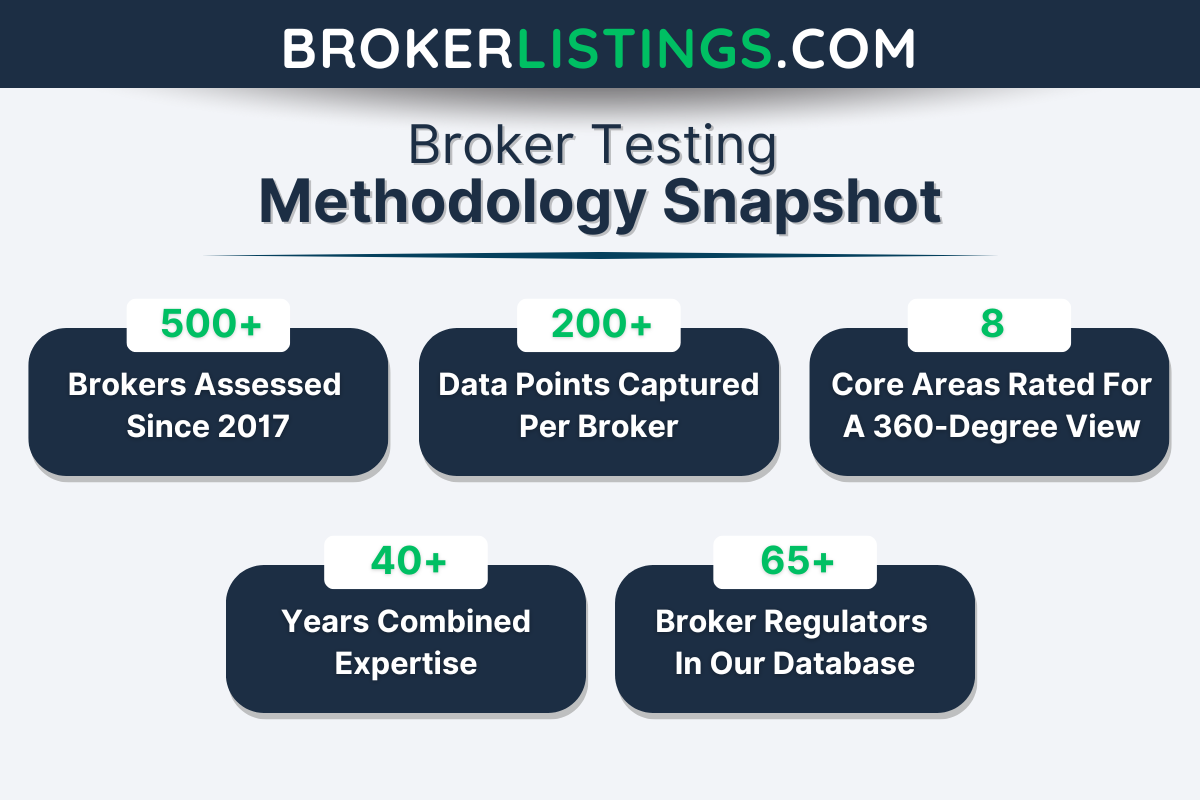
We ranked brokers based on their overall rating, calculated using 200+ metrics across key categories. This includes the availability of trading tournaments, alongside factors like platforms, fees, and user experience.
In addition to data analysis, our testing team conducted hands-on evaluations, assessing each broker’s trading tools to ensure an engaging experience for participants.
What to Look for in a Broker Offering Trading Contests
Trading tournaments are like the Olympics of the financial markets. They’re exciting, competitive, and a fantastic way to test your skills against other traders while potentially winning big prizes.
However, they’re only as good as the broker hosting them. Choosing the right provider can make or break your experience. You don’t want to be stuck with a platform that crashes mid-tournament or a broker with shady rules.
Here’s what to look for when picking a broker for trading contests:
Prizes and Rewards
- Why It Matters: Let’s be honest; prizes are a big part of the appeal. You want to make sure the rewards are worth your time and effort.
- What to Look For: Cash prizes, trading credits, gadgets, or even trophies. Some brokers also offer non-monetary rewards like mentorship programs or premium tools.
- Pro Tip: Compare the prize pools of different brokers to see which ones offer the best value.
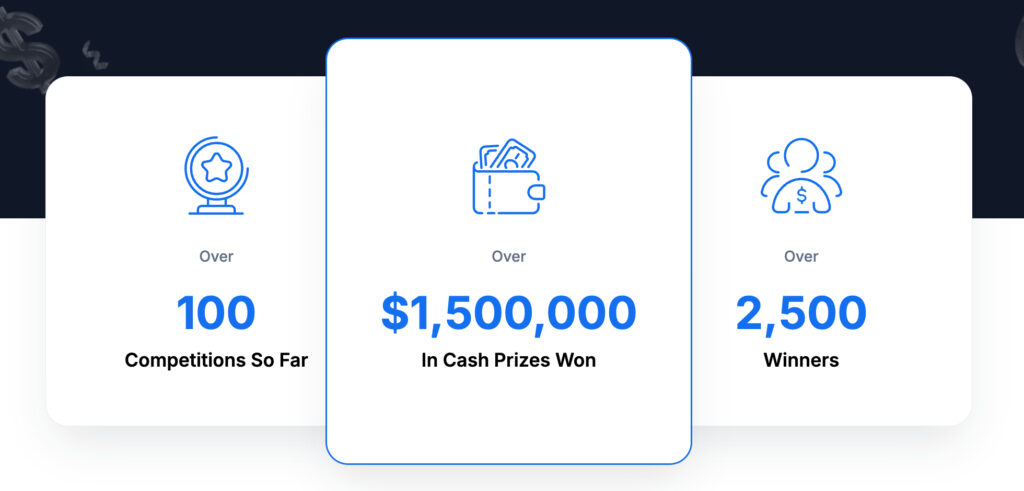
For example, XM has the most frequent and well-organised trading tournaments we’ve seen. It hosts regular forex and CFD trading tournaments with cash prizes topping $100,000.
Transparent Rules
- Why It Matters: Unclear or unfair rules can lead to frustration and disputes.
- What to Look For: Brokers that clearly outline the contest rules, including eligibility, scoring criteria, and prize distribution.
- Pro Tip: Always read the fine print carefully before signing up.
For example, FxPro is a well-established broker that combines transparent trading tournaments with a strong focus on education. It offers cash rewards and access to funded accounts.
Reputation and Regulation
- Why It Matters: A broker’s reputation is your first line of defense against scams. Regulated brokers are held to strict standards, which means your money and personal information are safer.
- What to Look For: Check if the broker is regulated by reputable authorities like the CFTC (USA), FCA (UK), CySEC (Cyprus), or ASIC (Australia).
- Expert take: I avoid unregulated brokers, no matter how flashy their contests seem.
For example, FXOpen is regulated and runs forex tournaments offering rewards like trading credits and crystal trophies for top performers.
Platform Stability and Tools
- Why It Matters: A glitchy platform during a high-pressure tournament can ruin your chances of winning.
- What to Look For: A stable, user-friendly trading platform with advanced tools like real-time charts, technical indicators, and risk management features.
- Expert Take: If I can, I always test the platform with a demo account before joining a live contest.
For example, TMGM runs trading competitions on its industry-leading platforms, from MT4 and MT5 to the modern TradingView, which sports an intuitive interface that’s enjoyable to use.
Educational Resources
- Why It Matters: Trading tournaments are a great learning opportunity, especially if the broker provides educational materials.
- What to Look For: Webinars, tutorials, eBooks, or even one-on-one coaching sessions.
- Pro Tip: Choose a broker that helps you grow as a trader, not just compete.
For example, Ultima Markets is an education-focused broker that offers regular trading contests with attractive prizes, including cash rewards of hundreds and sometimes thousands of dollars to boost your account.
Customer Support
- Why It Matters: If something goes wrong during a tournament, you’ll want quick and reliable support.
- What to Look For: 24/7 customer support via live chat, email, or phone.
- Pro Tip: Test the broker’s support team before joining a tournament to see how responsive they are.
For example, Admirals offers a mix of competitive contests and advanced trading tools, making it a favorite among intermediate and advanced traders. Access cash prizes up to $3,000 with a reliable customer service team.
Red Flags to Avoid in Trading Tournaments
Not all brokers are trustworthy, and some may even use trading contests as a marketing gimmick. Here’s what to watch out for:
- Hidden Fees
- Why It’s a Red Flag: Some brokers may charge hidden fees for participating in contests or withdrawing prizes.
- What to Do: Read the terms and conditions carefully to avoid surprises.
- Unrealistic Promises
- Why It’s a Red Flag: If a broker promises guaranteed wins or sky-high returns, it’s probably too good to be true.
- What to Do: Stick to brokers with realistic and transparent contest terms.
How to Trade in Broker Tournaments Like a Pro
Trading tournaments are thrilling, but they’re also a test of skill, strategy, and nerves. Whether you’re a beginner or an intermediate trader, the right approach can make all the difference between climbing the leaderboard and crashing out early.
Step 1: Understand the Rules and Format
Before you even place a trade, make sure you fully understand the tournament’s rules and format. Every contest is different, and knowing the specifics will help you tailor your strategy.
Key Questions to Ask:
- What’s the Goal? Is it to achieve the highest returns, the most trades, or something else?
- What’s the Time Frame? Is it a 24-hour sprint or a month-long marathon?
- Are There Restrictions? Some tournaments limit the instruments you can trade (e.g., only forex or only stocks).
- How Are Winners Determined? Is it purely based on profit, or are there other factors like risk management?
Step 2: Choose the Right Strategy
Your strategy will depend on the tournament’s format, your skill level, and your risk tolerance. Here are some common approaches:
High-Risk, High-Reward
- What It Is: Go for big wins by taking aggressive trades.
- Best For: Short-term tournaments where you need quick gains.
- Risks: High volatility can lead to big losses if trades go against you.
Steady and Consistent
- What It Is: Focus on smaller, more consistent wins over time.
- Best For: Longer tournaments where endurance matters.
- Risks: May not be enough to top the leaderboard in highly competitive contests.
Scalping
- What It Is: Make multiple small trades to capitalize on minor price movements.
- Best For: Contests that reward the number of trades or quick execution.
- Risks: Requires precision and can lead to overtrading.
Copy Trading (If Allowed)
- What It Is: Mimic the trades of top-performing traders.
- Best For: Beginners who want to learn while competing.
- Risks: You’re relying on someone else’s strategy, which may not always work.
- Expert take: Previously, I tested my strategy in a demo contest before using it in a live tournament.
Step 3: Manage Your Risk
Risk management is crucial. It’s easy to get caught up in the excitement and take unnecessary risks, but discipline is key to long-term success.
Risk Management Tips:
- Set a Daily Loss Limit: Decide how much you’re willing to lose in a day and stick to it.
- Use Stop-Loss Orders: Protect your trades from major losses.
- Diversify Your Trades: Don’t put all your funds into one instrument.
- Avoid Overtrading: Focus on quality over quantity.
Step 4: Stay Focused and Calm
Trading tournaments can be intense, especially when the clock is ticking and the leaderboard is constantly updating. Staying focused and keeping your emotions in check is essential.
Tips for Staying Calm:
- Take Breaks: Step away from the screen if you’re feeling overwhelmed.
- Stick to Your Plan: Don’t let FOMO (fear of missing out) push you into impulsive trades.
- Ignore the Noise: Focus on your strategy, not what other traders are doing.
- Pro Tip: Use tools like price alerts to stay updated without constantly monitoring the market.
Step 5: Learn from the Leaderboard
The leaderboard isn’t just a ranking – it’s a goldmine of information. By studying the top performers, you can learn new strategies and spot trends.
What to Look For:
- Trading Patterns: Are the top traders focusing on specific instruments or time frames?
- Risk Levels: Are they taking big risks or playing it safe?
- Execution Speed: Are they scalping or holding positions longer?
- Pro Tip: Don’t blindly copy others, but use their success as inspiration to refine your own strategy.
FAQ
What Is a Trading Tournament?
Trading tournaments are competitive events where traders compete against each other to achieve the highest returns, fastest trades, or other performance metrics within a set time frame.
Think of it as a mix of skill, strategy, and a little bit of luck.
Key features:
- Prizes: Cash rewards, trading credits, or even gadgets like laptops and phones.
- Time Limits: Tournaments can last anywhere from a few hours to several weeks.
- Virtual Funds: Many tournaments use demo accounts with virtual money, so you’re not risking your own cash.
- Leaderboards: Real-time rankings to see how you stack up against other traders.