Best Brokers With SEK Accounts 2026
Dig into our top brokers offering SEK accounts after hands-on testing, designed to reduce conversion fees and optimize the experience for traders in Sweden.
 Written By
James Barra
James is an experienced broker analyst with a background in financial services. He has spent 2,500+ hours testing brokers, used 35+ different platforms and apps, audited 120+ broker T&Cs, and verified 300+ regulatory licenses. James has also been on US and UK TV, and been a guest on finance podcasts, discussing reports conducted by BrokerListings.com and sharing his expertise.
James Barra Profile Page Fact Checked By
Tobias Robinson
Tobias is committed to helping traders find the right brokerage for their needs. He has tested 200+ brokers, spent 2,600+ hours using different platforms, and placed 2,100+ trades.
Tobias Robinson Profile PageOctober 9, 2026
 Our Top Pick in USA
1
Our Top Pick in USA
1
 Interactive Brokers
-
Available in United States
Not available in United States
Rating breakdown
Interactive Brokers (IBKR) is a leading brokerage offering access to over 170 markets in 40 countries and a range of investment services. With 40+ years in the industry, this Nasdaq-listed company follows strict regulations by the SEC, FCA, CIRO, SFC, Europe and beyond, making it a trusted global trading broker.
- Demo Account
- ✓
- Minimum Deposit
- $0
- Minimum Trade
- $1
- Leverage
- 1:50 (major forex pairs), 1:2-1:4 (equities)
- Copy Trading
- ✗
- Regulator
- SEC, FINRA, CFTC, NFA, CIRO, FCA, CBI, ASIC, SFC, SEBI, JFSA, MAS
- Instruments
- Stocks, Options, Futures, Forex, Funds, Bonds, ETFs, Mutual Funds, Cryptocurrencies, CFDs Stocks, Options, Futures, Forex, Funds, Bonds, ETFs, Mutual Funds, Cryptocurrencies
- Platforms
- Trader Workstation (TWS), IBKR Desktop, GlobalTrader, Mobile, Client Portal, AlgoTrader, OmniTrader, TradingView, eSignal, TradingCentral, ProRealTime, Quantower
- Account Currencies
- USD, EUR, GBP, CAD, AUD, INR, JPY, SEK, NOK, DKK, CHF, AED, HUF
- Automated Trading
- TWS API
- AI
- ✓
- Guaranteed Stop Loss
- ✗
-
Available in United States
Not available in United States
Rating breakdown
Crypto.com is a leading cryptocurrency exchange focused on advancing DeFi technologies. It provides token lending, prepaid cards, NFTs, and more. Founded in Hong Kong in 2016, it serves 150 million users.
- Demo Account
- ✗
- Minimum Deposit
- Varies by payment method
- Minimum Trade
- $1
- Leverage
- ✗
- Copy Trading
- ✗
- Regulator
- MAS, AMF, CySEC, CBI, ASIC, FINTRAC, CIMA, VARA, OAM, HCMC, CFTC, OSC, KoFIU, FCA (registered for MLR only), SEC (securities only)
- Instruments
- Crypto, Stocks, ETFs, OTC Options, Tokenized Stocks, Prediction Markets and Strike Options (US only)
- Platforms
- Own, TradingView
- Account Currencies
- USD, EUR, GBP, CAD, AUD, NZD, ZAR, TRY, SEK, NOK, DKK, CHF, HKD, PLN, CZK, AED, SAR, HUF, BRL, KES
- Automated Trading
- DCA Auto-Staking
- AI
- ✗
- Guaranteed Stop Loss
- ✗
Compare Brokers With SEK Accounts
| Broker | |
Payment Methods |
|---|---|---|
|
ACH Transfer, Automated Customer Account Transfer Service, Cheque, TransferWise, Wire Transfer | |
 |
Bitcoin Payments, Credit Card, Debit Card, Ethereum Payments, Visa, Wire Transfer | |
| Broker | |
Payment Methods |
Broker Details Comparison
| Broker | Demo Account |
Minimum Deposit |
Minimum Trade |
Leverage |
Assets |
Platforms |
|---|---|---|---|---|---|---|
|
✓ | $0 | $1 | 1:50 (major forex pairs), 1:2-1:4 (equities) | Stocks, Options, Futures, Forex, Funds, Bonds, ETFs, Mutual Funds, Cryptocurrencies, CFDs Stocks, Options, Futures, Forex, Funds, Bonds, ETFs, Mutual Funds, Cryptocurrencies | Trader Workstation (TWS), IBKR Desktop, GlobalTrader, Mobile, Client Portal, AlgoTrader, OmniTrader, TradingView, eSignal, TradingCentral, ProRealTime, Quantower |
|
✗ | Varies by payment method | $1 | ✗ | Crypto, Stocks, ETFs, OTC Options, Tokenized Stocks, Prediction Markets and Strike Options (US only) | Own, TradingView |
| Broker | Demo Account |
Minimum Deposit |
Minimum Trade |
Leverage |
Assets |
Platforms |
Safety Comparison
Compare how safe the Best Brokers With SEK Accounts 2026 are.
| Broker | Trust Rating |
Guaranteed Stop Loss |
Negative Balance Protection |
Segregated Accounts |
|---|---|---|---|---|
|
✗ | ✗ | ✓ | |
|
✗ | ✗ | ✓ | |
| Broker | Trust Rating |
Guaranteed Stop Loss |
Negative Balance Protection |
Segregated Accounts |
Mobile Trading Comparison
Compare the mobile trading features of the Best Brokers With SEK Accounts 2026.
| Broker | Mobile Apps |
iOS Rating |
Android Rating |
Smart Watch App |
|---|---|---|---|---|
|
iOS & Android | ✓ | ||
|
iOS & Android | ✗ | ||
| Broker | Mobile Apps |
iOS Rating |
Android Rating |
Smart Watch App |
Comparison for Beginners
Compare how suitable the Best Brokers With SEK Accounts 2026 are for beginners.
| Broker | Demo Account |
Minimum Deposit |
Minimum Trade |
Education Rating |
Support Rating |
Fractional Shares |
Demo Competitions |
|---|---|---|---|---|---|---|---|
|
✓ | $0 | $1 | ✓ | ✗ | ||
|
✗ | Varies by payment method | $1 | ✗ | ✗ | ||
| Broker | Demo Account |
Minimum Deposit |
Minimum Trade |
Education Rating |
Support Rating |
Fractional Shares |
Demo Competitions |
Comparison for Advanced Traders
Compare how suitable the Best Brokers With SEK Accounts 2026 are for advanced or professional traders.
| Broker | Automated Trading |
VPS |
API |
AI |
Pro Account |
Leverage |
Low Latency |
Extended Hours |
|---|---|---|---|---|---|---|---|---|
|
TWS API | ✗ | ✓ | ✓ | ✗ | 1:50 (major forex pairs), 1:2-1:4 (equities) | ✓ | ✓ |
|
DCA Auto-Staking | ✗ | ✗ | ✗ | ✗ | ✗ | ✗ | ✗ |
| Broker | Automated Trading |
VPS |
API |
AI |
Pro Account |
Leverage |
Low Latency |
Extended Hours |
Accounts Comparison
Compare the trading accounts offered by Best Brokers With SEK Accounts 2026.
| Broker | Demo Account |
Interest on Cash |
Islamic Account |
Joint Account |
Managed Account |
PAMM |
MAM |
LAMM |
Pro Account |
|---|---|---|---|---|---|---|---|---|---|
|
✓ | USD: 3.14%, GBP: 3.24% | ✗ | ✓ | ✓ | ✗ | ✓ | ✗ | ✗ |
|
✗ | USD: 5% | ✗ | ✗ | ✗ | ✗ | ✗ | ✗ | ✗ |
| Broker | Demo Account |
Interest on Cash |
Islamic Account |
Joint Account |
Managed Account |
PAMM |
MAM |
LAMM |
Pro Account |
Detailed Rating Comparison
Compare how we rated the Best Brokers With SEK Accounts 2026 in key areas.
| Broker | Trust |
Platforms |
Assets |
Mobile |
Fees |
Accounts |
Research |
Education |
Support |
|---|---|---|---|---|---|---|---|---|---|
|
|||||||||
|
|||||||||
| Broker | Trust |
Platforms |
Assets |
Mobile |
Fees |
Accounts |
Research |
Education |
Support |
Fee and Cost Comparison
Compare the cost of trading with the Best Brokers With SEK Accounts 2026.
| Broker | Cost Rating |
Fixed Spreads |
Inactivity Fee |
EUR/USD Spread |
Crypto Spread |
|---|---|---|---|---|---|
|
✗ | $0 | 0.08-0.20 bps x trade value | 0.12%-0.18% | |
|
✗ | $5 | ✗ | 0.075% (spot), 0.034% (derivatives) | |
| Broker | Cost Rating |
Fixed Spreads |
Inactivity Fee |
EUR/USD Spread |
Crypto Spread |
Customer Ratings
Compare how customers of these brokers feel about them, with real user ratings from Trustpilot, the Apple App Store and Google Play.
| Broker | Customers |
Trustpilot Score |
Trustpilot Reviews |
Android App Rating |
iOS App Rating |
|---|---|---|---|---|---|
|
4,300,000 | 5,531 | |||
|
150,000,000 | 9,458 | |||
| Broker | Customers |
Trustpilot Score |
Trustpilot Reviews |
Android App Rating |
iOS App Rating |
Broker Popularity
See how popular the Best Brokers With SEK Accounts 2026 are in terms of number of clients.
| Broker | Popularity |
|---|---|
| Crypto.com |
|
| Interactive Brokers |
|
Why Trade With Interactive Brokers?
Interactive Brokers is ideal for seasoned traders due to its robust charting platforms, updated data, and adaptability, especially with the IBKR Desktop application. Its exceptional pricing and advanced order features appeal to traders, and its variety of stocks remains unmatched in the market.
 Christian Harris
Review Author
Pros
- IBKR offers exceptional access to global stocks, with thousands of equities available from over 100 market centers in 24 countries, including the recent addition of the Saudi Stock Exchange.
- IBKR, primarily designed for skilled traders, has expanded its appeal recently by eliminating its initial $10,000 deposit requirement.
- IBKR provides a cost-effective platform for traders by offering low fees, narrow spreads, and clear pricing.
Cons
- Only one active session per account is allowed, which means you can't run the desktop version and mobile app at the same time. This can sometimes lead to a frustrating trading experience.
- In 2025, IBKR was fined $11.8 million by the US OFAC for offering services in restricted areas. It also faced a $125,000 fine from FINRA in 2025 for failing to disclose municipal bond information.
- IBKR offers many research tools. However, the tools are not uniformly distributed across trading platforms and the web-based 'Account Management' page, causing confusion for the users.
Why Trade With Crypto.com?
Crypto.com is ideal for new crypto traders looking to buy, sell, and trade over 400 digital tokens. Its strike options and prediction markets cover financial, economic, election, sport, and cultural events. As a CFTC-regulated platform, it provides a secure choice for US traders interested in binary-style contracts using an easy-to-use app.
 Jemma Grist
Review Author
Pros
- Crypto.com uses a cold wallet system with multi-signature technology and geographic distribution to improve security. This method ensures strong protection of user assets with secure offline storage.
- Crypto.com now offers over 9,000 stocks and ETFs in some regions, helping traders diversify across sectors.
- Crypto.com has integrated TradingView charts, offering the precise charting and technical analysis tools traders need to assess short-term price changes.
Cons
- Customer support mainly uses chatbots and email, with limited reliable phone support from our testing. This may cause delays in solving urgent issues like account access or transaction problems, which can be frustrating for crypto traders needing quick help.
- Fees apply to crypto and fiat withdrawals, which can be significant for active traders making smaller transfers. The minimum withdrawal limits are also high, limiting flexibility in managing smaller portfolios or immediate liquidity needs.
- The app has high bid-ask spreads on many coins, which can be expensive for traders using market orders. Wide spreads mean the buying price is significantly higher than the selling price, reducing profits, especially in low-volume trades.
Filters
Methodology
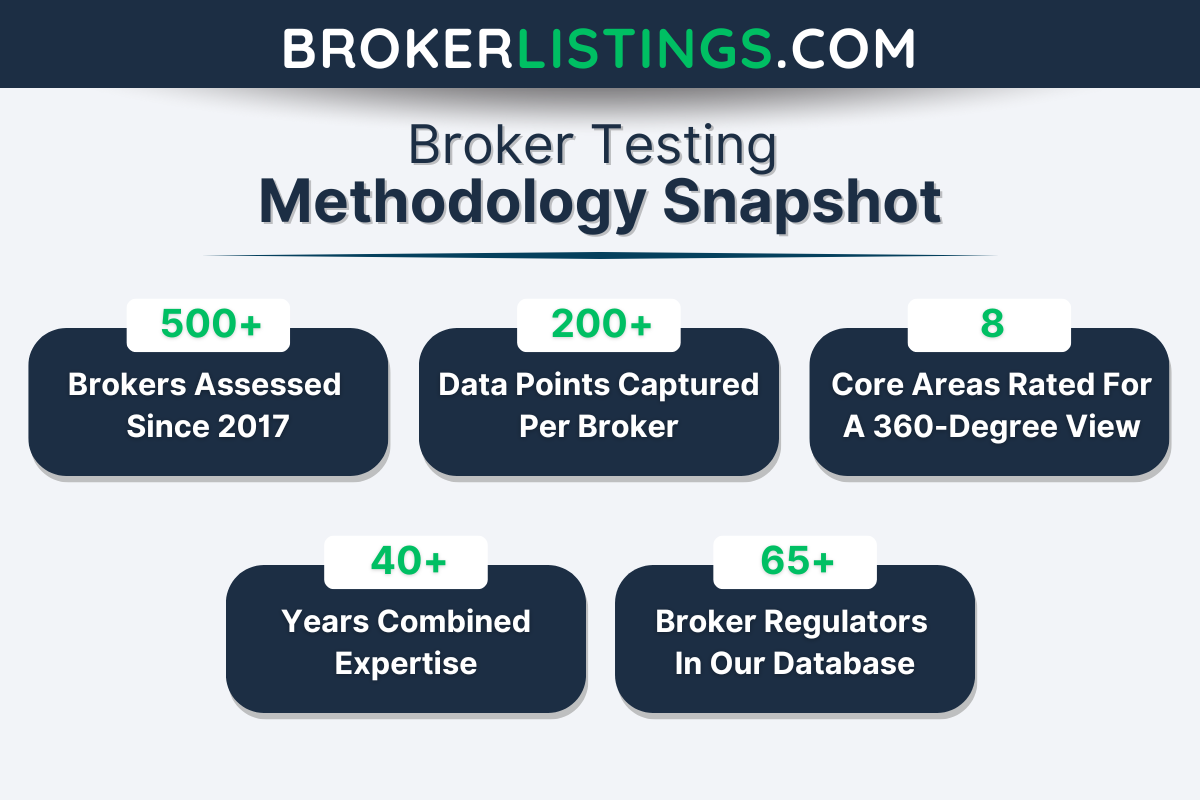
To determine the best brokers offering SEK-denominated accounts, we conducted an in-depth evaluation using our continuously updated broker database, which covers hundreds of platforms worldwide.
We specifically assessed brokers that allow deposits, withdrawals, and trading in Swedish krona (SEK), prioritizing those that cater to Swedish investors who prefer to trade in their local currency.
Our rankings were based on overall scores that factor in over 200 metrics, including trading fees, platform reliability, and regulatory compliance. Additionally, we factored in real user feedback from our hands-on testers.
What Is an SEK Account?
An SEK trading account is a brokerage account where all balances, trades, profits, and losses are recorded in Swedish krona.
The Swedish krona (SEK) is Sweden’s official currency and a key part of the country’s financial ecosystem.
While Sweden remains outside the Eurozone, some international brokers still primarily offer accounts in USD or EUR, making SEK-denominated accounts less common but highly valuable for Swedish traders.
Opening an SEK account provides several advantages:
- Bypassing Currency Exchange Fees: Depositing and withdrawing money in SEK can eliminate conversion costs that would otherwise apply for Swedish traders when dealing with USD or EUR accounts.
- Reducing Foreign Exchange Risk: Trading with an account in your home currency protects you from fluctuations between SEK and other major currencies, which can impact trading capital.
- Optimized for Swedish Financial Markets: If you trade Swedish stocks, bonds, or ETFs on Nasdaq Stockholm, an SEK account simplifies transactions and reduces unnecessary costs.
How Do I Open an SEK Account?
Setting up an SEK-denominated trading account requires selecting a broker that supports transactions in Swedish krona. Following our tests of hundreds of the best trading accounts, here’s the process:
- Select a Broker: Choose a broker that offers SEK as a base currency and supports local banking methods. It’s important to consider platform fees, available assets, and regulation by a trusted body like the Finansinspektionen (Swedish FSA).
- Sign Up and Verify Your Identity: Create an account and complete the necessary verification steps. Most brokers require proof of identity and residence, in compliance with Swedish and EU financial regulations.
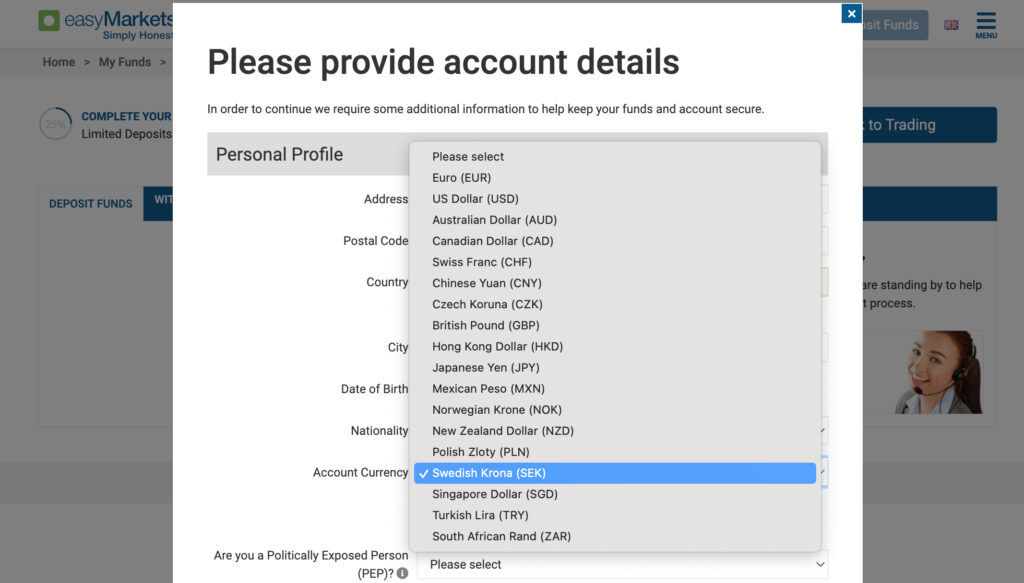
- Set SEK as Your Base Currency: During registration, confirm that SEK is selected as your default currency to avoid unexpected conversion charges.
- Deposit Funds: Add money to your account using Swedish-friendly payment options such as Trustly, or direct bank transfers. Some brokers may also support SEK deposits via international card payments.
- Start Trading: Once your account is funded, you can begin trading Swedish and global assets without additional currency exchange concerns.
For example, below is how I set up a SEK trading account.
Setting up a SEK-based account
Is an SEK Trading Account Right for You?
An SEK trading account is a good choice if:
- You Are Based in Sweden: Using SEK simplifies deposits, withdrawals, and tax reporting for Swedish residents.
- You Primarily Trade Swedish Stocks and ETFs: If your portfolio focuses on Swedish companies or investment funds listed on Nasdaq Stockholm, an SEK account makes transactions more seamless.
- You Want to Avoid Exchange Rate Uncertainty: Holding an SEK account helps insulate you from fluctuations in USD/SEK or EUR/SEK, which can impact profits when using foreign currency accounts.
- You Prefer Local Banking and Payment Methods: Many brokers that support SEK accounts also integrate Swedish payment services like Trustly, making transactions quicker and more cost-effective.
What Are the Downsides of an SEK Trading Account?
- Limited Broker Availability: While the Swedish krona is widely used in Sweden, it is not a major global reserve currency, meaning fewer brokers offer SEK-denominated accounts compared to USD or EUR based on our analysis.
- Extra Costs for Non-SEK Assets: If you trade assets denominated in USD, EUR, or GBP, your broker may charge currency conversion fees when executing trades.
- Exchange Rate Considerations: While holding an SEK account protects you from fluctuations in SEK-based transactions, it also means that if the krona weakens against other major currencies, your international investments could be affected.
- Potentially Wider Spreads: Some brokers may apply higher spreads on SEK currency pairs and international trades due to lower liquidity compared to USD or EUR markets.