
Best Brokers With HKD Accounts 2026
Dig into our top brokers offering HKD accounts after hands-on testing, designed to reduce conversion fees and optimize the experience for traders dealing in Hong Kong Dollars.
 Written By
James Barra
James is an experienced broker analyst with a background in financial services. He has spent 2,500+ hours testing brokers, used 35+ different platforms and apps, audited 120+ broker T&Cs, and verified 300+ regulatory licenses. James has also been on US and UK TV, and been a guest on finance podcasts, discussing reports conducted by BrokerListings.com and sharing his expertise.
James Barra Profile Page Fact Checked By
Tobias Robinson
Tobias is committed to helping traders find the right brokerage for their needs. He has tested 200+ brokers, spent 2,600+ hours using different platforms, and placed 2,100+ trades.
Tobias Robinson Profile PageOctober 9, 2026
-
1Moomoo is a regulated trading platform overseen by trusted regulators like the SEC. It provides a simple, cost-effective method to trade in stocks, ETFs, and various assets from China, Hong Kong, Singapore, the US, and Australia. They provide the option for margin trading, along with no minimum deposit requirement, and several bonus options.
-
2Crypto.com is a leading cryptocurrency exchange focused on advancing DeFi technologies. It provides token lending, prepaid cards, NFTs, and more. Founded in Hong Kong in 2016, it serves 150 million users.
Compare Brokers With HKD Accounts
| Broker |  |
Payment Methods |
|---|---|---|
 |
ACH Transfer, Wire Transfer | |
 |
Bitcoin Payments, Credit Card, Debit Card, Ethereum Payments, Visa, Wire Transfer | |
| Broker | |
Payment Methods |
Broker Details Comparison
| Broker | Demo Account |
Minimum Deposit |
Minimum Trade |
Leverage |
Assets |
Platforms |
|---|---|---|---|---|---|---|
|
✓ | $0 | $0 | 1:2 | Stocks, Options, ETFs, ADRs, OTCs ,Futures | Desktop Platform, Mobile App |
|
✗ | Varies by payment method | $1 | ✗ | Crypto, Stocks, ETFs, OTC Options, Tokenized Stocks, Prediction Markets and Strike Options (US only) | Own, TradingView |
| Broker | Demo Account |
Minimum Deposit |
Minimum Trade |
Leverage |
Assets |
Platforms |
Safety Comparison
Compare how safe the Best Brokers With HKD Accounts 2026 are.
| Broker | Trust Rating |
Guaranteed Stop Loss |
Negative Balance Protection |
Segregated Accounts |
|---|---|---|---|---|
|
✗ | ✗ | ✓ | |
|
✗ | ✗ | ✓ | |
| Broker | Trust Rating |
Guaranteed Stop Loss |
Negative Balance Protection |
Segregated Accounts |
Mobile Trading Comparison
Compare the mobile trading features of the Best Brokers With HKD Accounts 2026.
| Broker | Mobile Apps |
iOS Rating |
Android Rating |
Smart Watch App |
|---|---|---|---|---|
|
Yes (iOS & Android) | ✗ | ||
|
iOS & Android | ✗ | ||
| Broker | Mobile Apps |
iOS Rating |
Android Rating |
Smart Watch App |
Comparison for Beginners
Compare how suitable the Best Brokers With HKD Accounts 2026 are for beginners.
| Broker | Demo Account |
Minimum Deposit |
Minimum Trade |
Education Rating |
Support Rating |
Fractional Shares |
Demo Competitions |
|---|---|---|---|---|---|---|---|
|
✓ | $0 | $0 | ✓ | ✗ | ||
|
✗ | Varies by payment method | $1 | ✗ | ✗ | ||
| Broker | Demo Account |
Minimum Deposit |
Minimum Trade |
Education Rating |
Support Rating |
Fractional Shares |
Demo Competitions |
Comparison for Advanced Traders
Compare how suitable the Best Brokers With HKD Accounts 2026 are for advanced or professional traders.
| Broker | Automated Trading |
VPS |
API |
AI |
Pro Account |
Leverage |
Low Latency |
Extended Hours |
|---|---|---|---|---|---|---|---|---|
|
Moomoo OpenAPI | ✗ | ✓ | ✓ | ✗ | 1:2 | ✓ | ✓ |
|
DCA Auto-Staking | ✗ | ✗ | ✗ | ✗ | ✗ | ✗ | ✗ |
| Broker | Automated Trading |
VPS |
API |
AI |
Pro Account |
Leverage |
Low Latency |
Extended Hours |
Accounts Comparison
Compare the trading accounts offered by Best Brokers With HKD Accounts 2026.
| Broker | Demo Account |
Interest on Cash |
Islamic Account |
Joint Account |
Managed Account |
PAMM |
MAM |
LAMM |
Pro Account |
|---|---|---|---|---|---|---|---|---|---|
|
✓ | USD: 3.35% | ✗ | ✗ | ✗ | ✗ | ✗ | ✗ | ✗ |
|
✗ | USD: 5% | ✗ | ✗ | ✗ | ✗ | ✗ | ✗ | ✗ |
| Broker | Demo Account |
Interest on Cash |
Islamic Account |
Joint Account |
Managed Account |
PAMM |
MAM |
LAMM |
Pro Account |
Detailed Rating Comparison
Compare how we rated the Best Brokers With HKD Accounts 2026 in key areas.
| Broker | Trust |
Platforms |
Assets |
Mobile |
Fees |
Accounts |
Research |
Education |
Support |
|---|---|---|---|---|---|---|---|---|---|
|
|||||||||
|
|||||||||
| Broker | Trust |
Platforms |
Assets |
Mobile |
Fees |
Accounts |
Research |
Education |
Support |
Fee and Cost Comparison
Compare the cost of trading with the Best Brokers With HKD Accounts 2026.
| Broker | Cost Rating |
Fixed Spreads |
Inactivity Fee |
EUR/USD Spread |
Crypto Spread |
|---|---|---|---|---|---|
|
✗ | $0 | ✗ | 0.49% per spot Bitcoin trade (US), 0.3% to 0.39% (Singapore) | |
|
✗ | $5 | ✗ | 0.075% (spot), 0.034% (derivatives) | |
| Broker | Cost Rating |
Fixed Spreads |
Inactivity Fee |
EUR/USD Spread |
Crypto Spread |
Customer Ratings
Compare how customers of these brokers feel about them, with real user ratings from Trustpilot, the Apple App Store and Google Play.
| Broker | Customers |
Trustpilot Score |
Trustpilot Reviews |
Android App Rating |
iOS App Rating |
|---|---|---|---|---|---|
|
24,000,000 | 742 | |||
|
150,000,000 | 9,483 | |||
| Broker | Customers |
Trustpilot Score |
Trustpilot Reviews |
Android App Rating |
iOS App Rating |
Broker Popularity
See how popular the Best Brokers With HKD Accounts 2026 are in terms of number of clients.
| Broker | Popularity |
|---|---|
| Crypto.com |
|
| Moomoo |
|
Why Trade With Moomoo?
Moomoo is a great option for beginner and intermediate traders aiming to diversify their investment portfolio. The brokerage's app is easily navigable and the trading fees are significantly low.
Pros
- The fees for options contracts have been lowered from $0.65 to $0.
- API Skills offers agentic investing for retail traders. Users can connect their AI agents, such as Claude or OpenAI, to Moomoo's platform to execute algorithmic strategies using natural language.
- Moomoo offers detailed analytics and insights compared to other brands.
Cons
- No negative balance protection, a standard safety feature at top-tier regulated brokers.
- Moomoo has received several regulatory penalties lately, including fines and orders in 2026 that temporarily halted the acceptance of some Japanese and Chinese clients.
- The account options are limited compared to similar brokerages, with no managed portfolios or robo-advisor solutions.
Why Trade With Crypto.com?
Crypto.com is ideal for new crypto traders looking to buy, sell, and trade over 400 digital tokens. Its strike options and prediction markets cover financial, economic, election, sport, and cultural events. As a CFTC-regulated platform, it provides a secure choice for US traders interested in binary-style contracts using an easy-to-use app.
Pros
- In 2026, Crypto.com introduced BTC Rewards for the Crypto.com Visa Signature® Credit Card, targeting crypto enthusiasts who trade and spend in cryptocurrency.
- Crypto.com uses a cold wallet system with multi-signature technology and geographic distribution to improve security. This method ensures strong protection of user assets with secure offline storage.
- The Crypto.com Exchange platform provides advanced bots like Dollar Cost Averaging (DCA), Time-Weighted Average Price (TWAP), and Grid Trading bots. Traders can automate strategies, including leveraged perpetual trades, reducing manual work and slippage.
Cons
- Fees apply to crypto and fiat withdrawals, which can be significant for active traders making smaller transfers. The minimum withdrawal limits are also high, limiting flexibility in managing smaller portfolios or immediate liquidity needs.
- The app has high bid-ask spreads on many coins, which can be expensive for traders using market orders. Wide spreads mean the buying price is significantly higher than the selling price, reducing profits, especially in low-volume trades.
- Customer support mainly uses chatbots and email, with limited reliable phone support from our testing. This may cause delays in solving urgent issues like account access or transaction problems, which can be frustrating for crypto traders needing quick help.
Filters
Methodology
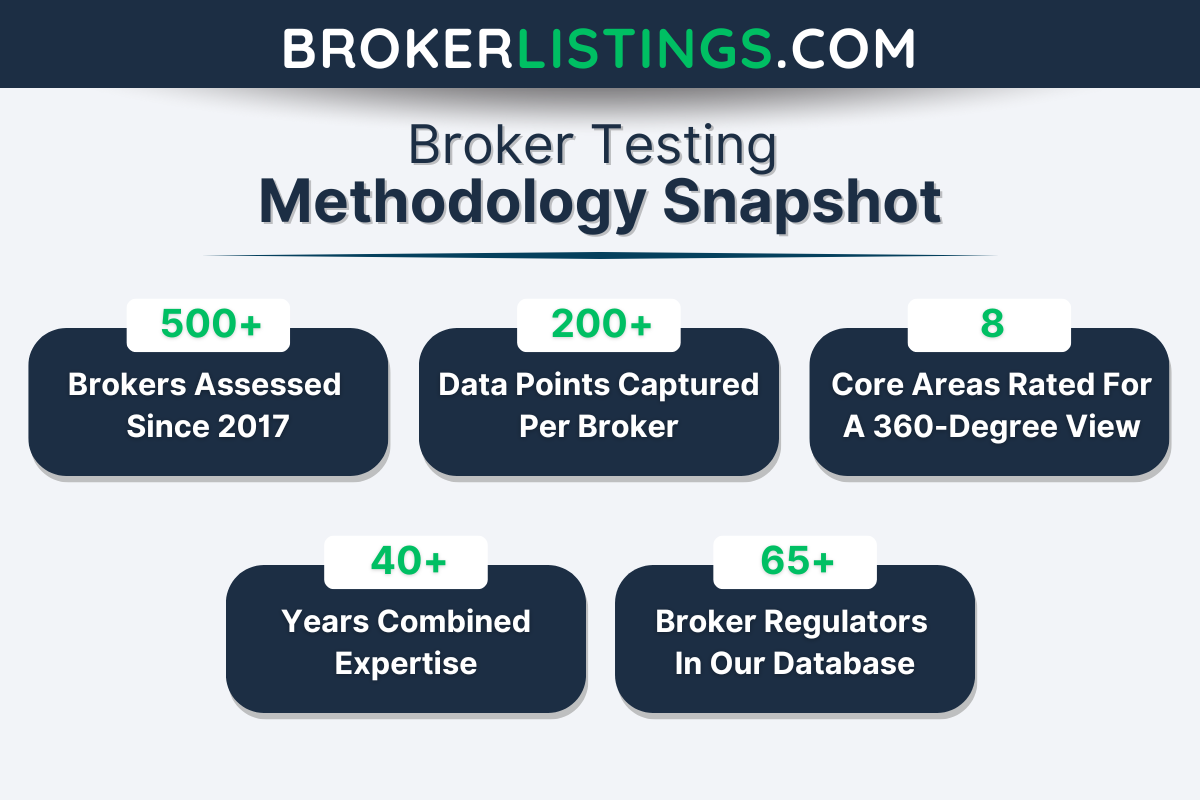
To identify the best brokers offering HKD-denominated accounts, we thoroughly analyzed a wide range of online trading platforms.
We focused specifically on brokers that allow clients to deposit, withdraw, and trade in Hong Kong dollars (HKD) without forced currency conversions.
Rankings were determined using over 200 key metrics, including trading fees, platform reliability, regulatory oversight (such as licensing by the Securities and Futures Commission of Hong Kong (SFC)). Additionally, we factored in user feedback from our own advanced traders.
What Is an HKD Account?
An HKD trading account is a brokerage account where all balances, transactions, and profits are denominated in Hong Kong dollars (HKD).
Hong Kong is one of the world’s leading financial centers, and HKD is widely used for trading in its equity and derivatives markets. Despite this, many international brokers primarily offer USD or EUR accounts, making HKD-denominated options harder to find (less than 10% of the firms we’ve evaluated).
Traders who invest in Hong Kong’s markets or manage finances in HKD can benefit from an HKD trading account in several ways:
- Avoiding Currency Conversion Costs: Depositing and withdrawing in HKD prevents unnecessary exchange rate fees, which is especially useful for traders based in Hong Kong.
- Direct Access to the Hong Kong Market: HKD accounts allow seamless trading of HKEX-listed stocks, ETFs, and other financial instruments.
- Reducing FX Risk: If your income and investments are in HKD, keeping your brokerage account in the same currency avoids exposure to exchange rate fluctuations, especially with the HKD/USD peg.
How Do I Open an HKD Account?
Setting up an HKD trading account requires choosing a broker that supports HKD transactions. Here’s how to do it:
- Choose a Broker: Look for a platform offering HKD as a base currency, ideally one regulated by the SFC or with strong access to your preferred markets, such as HKEX stocks.
- Register an Account: Complete the broker’s onboarding process, which typically includes identity verification (such as a passport or HKID) and proof of address.
- Select HKD as Your Base Currency: During account setup, choose HKD as your default currency to prevent automatic conversions.
- Fund Your Account: Deposit funds in HKD via local bank transfer, FPS, or e-wallets commonly used in Hong Kong.
- Start Trading: Once your funds are available, you can begin trading HKD-denominated assets, including Hong Kong stocks, ETFs, and bonds.
For example, below is an instance where I set up an HKD trading account:
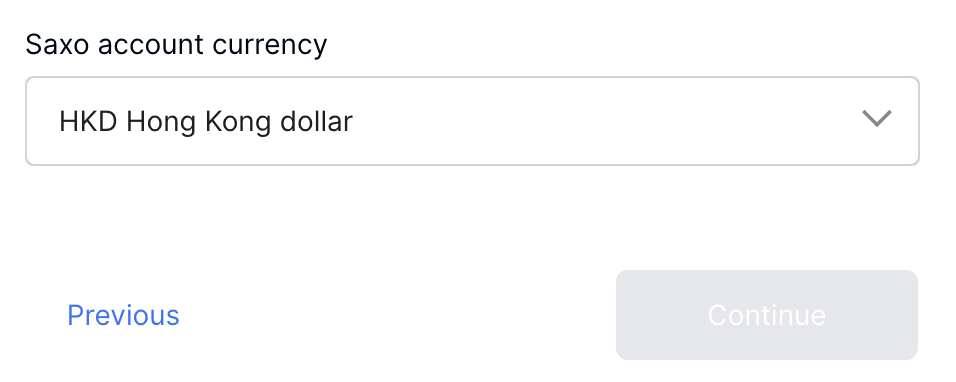
Setting up a HKD trading account
Should I Use an HKD Trading Account?
After testing hundreds of the best trading accounts, we found that an HKD trading account may be the best option if the following apply:
- You Live in Hong Kong: Keeping your account in HKD simplifies deposits, withdrawals, and tax reporting.
- You Trade Hong Kong Stocks and ETFs: If you focus on HKEX-listed assets, an HKD account helps eliminate conversion fees.
- You Want to Hedge Against FX Risk: If your income, expenses, or portfolio is in HKD, a local currency account prevents unnecessary exposure to forex fluctuations.
- You Use Hong Kong Payment Methods: HKD accounts typically support local banking options like FPS and HSBC transfers, potentially making transactions faster and cheaper.
What Are the Limitations of an HKD Trading Account?
- Limited Broker Availability: Many international brokers still do not offer HKD as a base currency, reducing your options.
- Higher Costs for Non-HKD Assets: If you trade instruments denominated in USD, EUR, or other currencies, you may face conversion fees.
- FX Risk on Global Investments: If you trade outside the Hong Kong market, your returns may be impacted by currency fluctuations when converting HKD to foreign currencies.
- Less Liquidity Compared to USD Accounts: USD accounts often offer lower forex spreads and broader trading options compared to HKD-based accounts from our analysis.