
Best Crypto Exchanges 2026
Based on our hands-on testing and in-depth analysis, these crypto exchanges stand out as the best and most reliable options in 2026.
 Written By
Paul Holmes
With over 15 years of trading experience, including developing algorithmic strategies on MetaTrader and evaluating brokers, he brings deep expertise in market analysis and trader education, helping traders choose the right platform for their requirements.
Paul Holmes Profile Page Fact Checked By
Tobias Robinson
Tobias is committed to helping traders find the right brokerage for their needs. He has tested 200+ brokers, spent 2,600+ hours using different platforms, and placed 2,100+ trades.
Tobias Robinson Profile Page Edited By
James Barra
James is an experienced broker analyst with a background in financial services. He has spent 2,500+ hours testing brokers, used 35+ different platforms and apps, audited 120+ broker T&Cs, and verified 300+ regulatory licenses. James has also been on US and UK TV, and been a guest on finance podcasts, discussing reports conducted by BrokerListings.com and sharing his expertise.
James Barra Profile PageFebruary 24, 2026
-
1OKX, established in 2017, is a respected cryptocurrency firm offering a wide range of products, including trading and NFTs. Traders have access to over 400 crypto tokens through OTC trading and derivatives. With a strong web platform, developer tools, and advanced charts, OKX is a popular choice for technical traders.
-
2Crypto.com is a leading cryptocurrency exchange focused on advancing DeFi technologies. It provides token lending, prepaid cards, NFTs, and more. Founded in Hong Kong in 2016, it serves 150 million users.
-
3Kraken is a top cryptocurrency exchange with its own trading platform and over 450 crypto tokens. It offers transparent leverage with clear fees, plus an intuitive app that some of our team personally use for real-money trading and have found transfers smooth without issues.
-
4Launched in 2012 for buying and selling Bitcoin by bank transfer, Coinbase has grown into a major crypto company. It offers 240+ crypto assets, trading platforms for retail investors, is listed on Nasdaq, and holds licenses from multiple regulators. In May 2025, Coinbase became the first crypto company in the S&P 500, strengthening its reputation.
Top Crypto Exchanges Comparison
| Broker |  |
USD Account |
Crypto Spread |
Crypto Lending |
Crypto Mining |
Crypto Staking |
Proof of Reserves |
|---|---|---|---|---|---|---|---|
 |
✓ | Variable | ✓ | ✗ | ✓ | ✓ | |
 |
✓ | 0.075% (spot), 0.034% (derivatives) | ✓ | ✗ | ✓ | ✓ | |
 |
✓ | 0-0.26% average | ✗ | ✗ | ✓ | ✓ | |
 |
✓ | 0.5% - 1% (BTC) | ✓ | ✗ | ✓ | ✗ | |
| Broker | |
USD Account |
Crypto Spread |
Crypto Lending |
Crypto Mining |
Crypto Staking |
Proof of Reserves |
Broker Details Comparison
| Broker | Demo Account |
Minimum Deposit |
Minimum Trade |
Leverage |
Assets |
Platforms |
|---|---|---|---|---|---|---|
|
✓ | 10 USDT | Variable | ✗ | Spot, Futures, Swaps, Options, X-Perps | AlgoTrader, Quantower |
|
✓ | Varies by payment method | $1 | ✗ | Crypto, Stocks, ETFs, OTC Options, Tokenized Stocks, Prediction Markets and Strike Options (US only) | Own, TradingView |
|
✓ | $10 | Variable | ✗ | Cryptos, xStocks, Pre-IPO Perpetual Futures | Kraken App, Kraken Pro, Kraken Futures, AlgoTrader, Quantower |
|
✗ | $0 | $2 | ✗ | Crypto, Stocks, ETFs (US only), Pre-IPO Perpetual Futures (non-US) | Coinbase, Advanced Trade, Wallet, NFT, TradingView |
| Broker | Demo Account |
Minimum Deposit |
Minimum Trade |
Leverage |
Assets |
Platforms |
Safety Comparison
Compare how safe the Best Crypto Exchanges 2026 are.
| Broker | Trust Rating |
Guaranteed Stop Loss |
Negative Balance Protection |
Segregated Accounts |
|---|---|---|---|---|
|
✗ | ✗ | ✗ | |
|
✗ | ✗ | ✓ | |
|
✗ | ✗ | ✓ | |
|
✗ | ✗ | ✓ | |
| Broker | Trust Rating |
Guaranteed Stop Loss |
Negative Balance Protection |
Segregated Accounts |
Mobile Trading Comparison
Compare the mobile trading features of the Best Crypto Exchanges 2026.
| Broker | Mobile Apps |
iOS Rating |
Android Rating |
Smart Watch App |
|---|---|---|---|---|
|
Android & iOS | ✗ | ||
|
iOS & Android | ✗ | ||
|
✓ | ✗ | ||
|
iOS & Android | ✗ | ||
| Broker | Mobile Apps |
iOS Rating |
Android Rating |
Smart Watch App |
Comparison for Beginners
Compare how suitable the Best Crypto Exchanges 2026 are for beginners.
| Broker | Demo Account |
Minimum Deposit |
Minimum Trade |
Education Rating |
Support Rating |
Fractional Shares |
Demo Competitions |
|---|---|---|---|---|---|---|---|
|
✓ | 10 USDT | Variable | ✗ | ✗ | ||
|
✓ | Varies by payment method | $1 | ✗ | ✗ | ||
|
✓ | $10 | Variable | ✗ | ✗ | ||
|
✗ | $0 | $2 | ✗ | ✗ | ||
| Broker | Demo Account |
Minimum Deposit |
Minimum Trade |
Education Rating |
Support Rating |
Fractional Shares |
Demo Competitions |
Comparison for Advanced Traders
Compare how suitable the Best Crypto Exchanges 2026 are for advanced or professional traders.
| Broker | Automated Trading |
VPS |
API |
AI |
Pro Account |
Leverage |
Low Latency |
Extended Hours |
|---|---|---|---|---|---|---|---|---|
|
✓ | ✗ | ✓ | ✓ | ✗ | ✗ | ✓ | ✗ |
|
DCA Auto-Staking | ✗ | ✗ | ✗ | ✗ | ✗ | ✗ | ✗ |
|
Kraken Futures is integrated in other platforms which have bots: Bookmap, Caspian, FMZ Quant, Gunbot, HaasOnline, Hyndor, Margin | ✗ | ✓ | ✗ | ✗ | ✗ | ✓ | ✗ |
|
Algo trading via Coinbase Advanced API | ✗ | ✓ | ✓ | ✗ | ✗ | ✓ | ✗ |
| Broker | Automated Trading |
VPS |
API |
AI |
Pro Account |
Leverage |
Low Latency |
Extended Hours |
Accounts Comparison
Compare the trading accounts offered by Best Crypto Exchanges 2026.
| Broker | Demo Account |
Interest on Cash |
Islamic Account |
Joint Account |
Managed Account |
PAMM |
MAM |
LAMM |
Pro Account |
|---|---|---|---|---|---|---|---|---|---|
|
✓ | ✗ | ✗ | ✗ | ✗ | ✗ | ✗ | ✗ | ✗ |
|
✓ | USD: 5% | ✗ | ✗ | ✗ | ✗ | ✗ | ✗ | ✗ |
|
✓ | ✗ | ✗ | ✗ | ✗ | ✗ | ✗ | ✗ | ✗ |
|
✗ | ✗ | ✗ | ✗ | ✗ | ✗ | ✗ | ✗ | ✗ |
| Broker | Demo Account |
Interest on Cash |
Islamic Account |
Joint Account |
Managed Account |
PAMM |
MAM |
LAMM |
Pro Account |
Detailed Rating Comparison
Compare how we rated the Best Crypto Exchanges 2026 in key areas.
| Broker | Trust |
Platforms |
Assets |
Mobile |
Fees |
Accounts |
Research |
Education |
Support |
|---|---|---|---|---|---|---|---|---|---|
|
|||||||||
|
|||||||||
|
|||||||||
|
|||||||||
| Broker | Trust |
Platforms |
Assets |
Mobile |
Fees |
Accounts |
Research |
Education |
Support |
Fee and Cost Comparison
Compare the cost of trading with the Best Crypto Exchanges 2026.
| Broker | Cost Rating |
Fixed Spreads |
Inactivity Fee |
EUR/USD Spread |
Crypto Spread |
|---|---|---|---|---|---|
|
✗ | $0 | ✗ | Variable | |
|
✗ | $5 | ✗ | 0.075% (spot), 0.034% (derivatives) | |
|
✗ | $0 | ✗ | 0-0.26% average | |
|
✗ | $0 | ✗ | 0.5% - 1% (BTC) | |
| Broker | Cost Rating |
Fixed Spreads |
Inactivity Fee |
EUR/USD Spread |
Crypto Spread |
Customer Ratings
Compare how customers of these brokers feel about them, with real user ratings from Trustpilot, the Apple App Store and Google Play.
| Broker | Customers |
Trustpilot Score |
Trustpilot Reviews |
Android App Rating |
iOS App Rating |
|---|---|---|---|---|---|
|
50,000,000 | 1,792 | |||
|
150,000,000 | 9,452 | |||
|
15,000,000 | 9,041 | |||
|
108,000,000 | 23,211 | |||
| Broker | Customers |
Trustpilot Score |
Trustpilot Reviews |
Android App Rating |
iOS App Rating |
Broker Popularity
See how popular the Best Crypto Exchanges 2026 are in terms of number of clients.
| Broker | Popularity |
|---|---|
| Crypto.com |
|
| Coinbase |
|
| OKX |
|
| Kraken |
|
Why Trade With OKX?
OKX is a preferred choice for traders seeking new cryptocurrencies and projects for investment. Traders can benefit from its copy trading feature and automated bots.
Pros
- Traders can access past data for spot and futures markets, which includes open-high-low-close data, cumulative trades, and trading history.
- X-Perps, introduced in 2026, offers opportunities in traditional financial assets like US stocks and commodities.
- Active traders will experience competitive maker and taker fees, at 0.02% and 0.05% respectively.
Cons
- In 2025, OKX agreed to pay over $500 million for violating U.S. AML laws.
- The firm has limited regulatory oversight, which is common for crypto exchanges.
- The broker's platform and features might be hard to understand for new traders.
Why Trade With Crypto.com?
Crypto.com is ideal for new crypto traders looking to buy, sell, and trade over 400 digital tokens. Its strike options and prediction markets cover financial, economic, election, sport, and cultural events. As a CFTC-regulated platform, it provides a secure choice for US traders interested in binary-style contracts using an easy-to-use app.
Pros
- In 2026, Crypto.com introduced BTC Rewards for the Crypto.com Visa Signature® Credit Card, targeting crypto enthusiasts who trade and spend in cryptocurrency.
- The platform tracks cryptocurrencies, stocks, ETFs, prediction markets, and tokenized Wall Street stocks in one interface, making multi-asset management and insights easier.
- Crypto.com uses a cold wallet system with multi-signature technology and geographic distribution to improve security. This method ensures strong protection of user assets with secure offline storage.
Cons
- Customer support mainly uses chatbots and email, with limited reliable phone support from our testing. This may cause delays in solving urgent issues like account access or transaction problems, which can be frustrating for crypto traders needing quick help.
- The app has high bid-ask spreads on many coins, which can be expensive for traders using market orders. Wide spreads mean the buying price is significantly higher than the selling price, reducing profits, especially in low-volume trades.
- Fees apply to crypto and fiat withdrawals, which can be significant for active traders making smaller transfers. The minimum withdrawal limits are also high, limiting flexibility in managing smaller portfolios or immediate liquidity needs.
Why Trade With Kraken?
Kraken is suitable for traders seeking a variety of cryptocurrencies, including Bitcoin, and a strong history of security.
Pros
- Enjoy low trading fees on Kraken Pro.
- 3D secure required
- Kraken Pro offers perpetual futures through a CFTC-regulated platform.
Cons
- Low leverage on spot trading
- Pro account's verification process is slow.
- Slow verification times
Why Trade With Coinbase?
Coinbase is great for beginners who want an easy-to-use platform to buy and sell various cryptocurrencies, with strong security and regulatory compliance. However, its fees are higher than competitors in our tests, and it’s less suited for short-term traders.
Pros
- Coinbase offers over 240 cryptocurrencies, including Bitcoin (BTC), Ethereum (ETH), Solana (SOL), and new altcoins like $Trump, providing early access to emerging tokens.
- Users can automatically direct their paycheck into USDC or other cryptocurrencies, with a daily deposit limit of $200,000.
- Users can get a credit card by using their stablecoins (USDC) as collateral, earning up to 4% back in Bitcoin.
Cons
- Customer support is frustrating during testing because most help options require login, making it difficult for locked-out users or those without accounts to get assistance.
- Advanced Trade provides TradingView charts but lacks research tools like news feeds, economic calendars, and AI market insights.
- Crypto fees are high based on tests, especially when compared to competitors like Kraken and BitMEX, particularly on the regular trading platform.
Filters
How We Chose The Best Crypto Exchanges
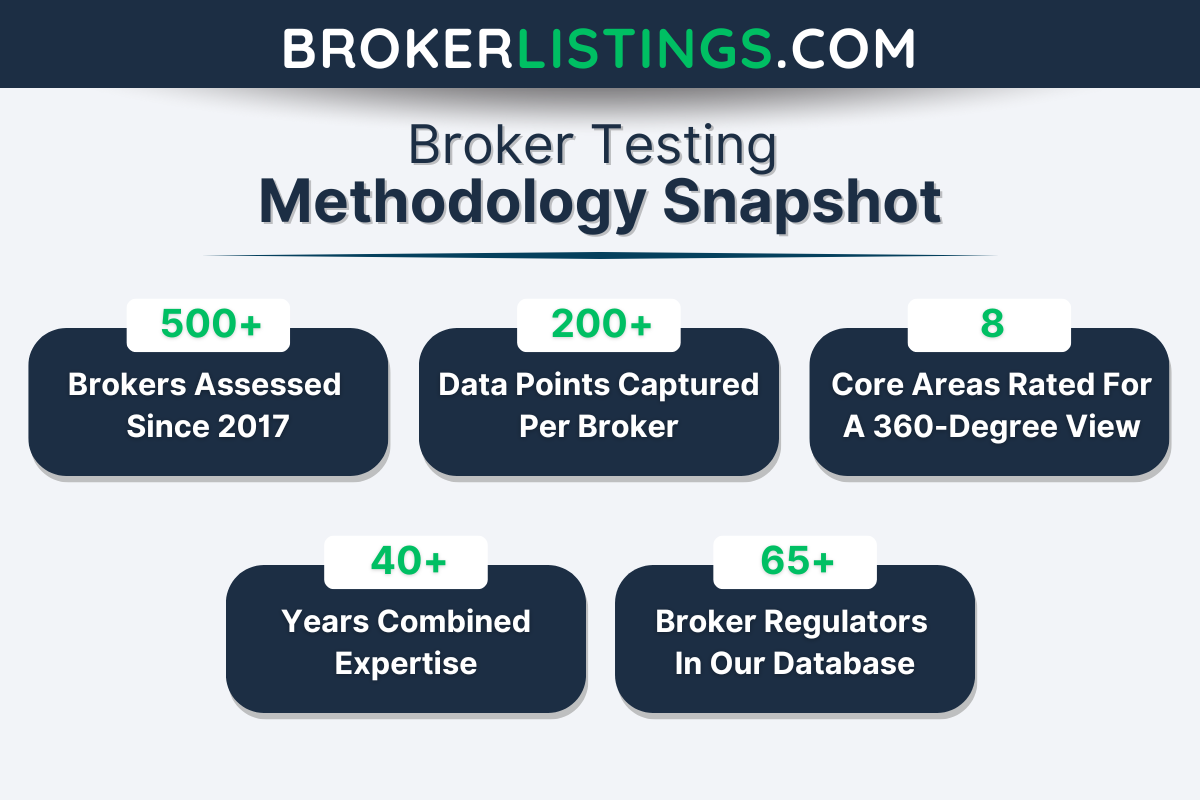
We ranked the top crypto exchanges using our overall ratings which leverage our data-driven system, combining hands-on testing with in-depth analysis of 200+ metrics per provider, including 10+ crypto-specific data points.
With high-profile scandals in recent years, we also investigated which exchanges provide proof of reserves to demonstrate fund security, alongside other safety measures like cold storage and two-factor authentication.
What To Look For In A Top Crypto Exchange
Understanding how crypto exchanges work is key to making smart moves in this fast-paced market. Think of exchanges as the marketplaces where you buy and sell crypto.
But not all exchanges are the same; the vast majority of providers we’ve evaluated offer an excellent breadth of digital currencies, a user-friendly platform and value-add features, yet it’s trust and security that are the differentiators.
The last thing you want is to wake up and find your funds gone because an exchange got hacked or turned out to be a fraud, such as FTX. That’s why security should be the priority when choosing where to trade.
A safe crypto exchange should have strong security measures in place. Here’s what to check:
Regulation & Licensing
- Is the exchange registered with a financial authority (e.g., SEC, FCA, CySEC)?
- Does it comply with Know Your Customer (KYC) and Anti-Money Laundering (AML) regulations?
- If an exchange is unregulated, be extra cautious, as it could be riskier.
Pro Tip: Consider using licensed exchanges, which are less likely to disappear overnight with your funds.
Top pick: Kraken is one of the oldest and most trusted crypto exchanges, registered with various regulators (FCA, FinCEN, FINTRAC, AUSTRAC, FSA). It has never been hacked and some of our team personally hold investments on the platform. The downside from our tests is that Kraken isn’t really for casual users due to its more complex interface.
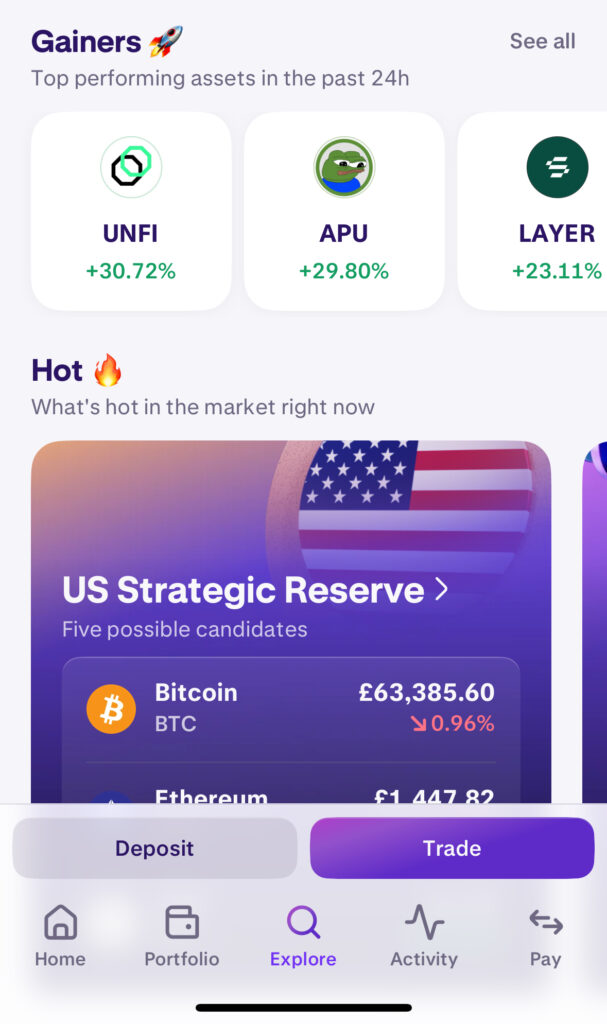
Kraken offers a user-friendly mobile app for managing crypto investments
Cold Storage for Funds
- Does the exchange store most funds in cold wallets (offline storage)?
- Cold wallets are harder to hack than hot wallets (online storage).
- The best exchanges store 90%+ of user funds in cold wallets for safety.
Top pick: Coinbase is the most user-friendly crypto exchange, perfect for beginners. It has an intuitive interface, easy fiat deposits, and strong security, storing 98% of customer funds in cold storage. The catch is that its fees are higher than those of most exchanges we’ve tested.
Two-Factor Authentication (2FA)
- The exchange should require 2FA for logins and withdrawals.
- Google Authenticator or Authy are better than SMS 2FA (SIM swap attacks are real).
Pro Tip: Always enable 2FA on your account to add an extra layer of security.
Top pick: OKX doesn’t mess around when it comes to account security, supporting multiple authenticator apps (Google Authenticator, Microsoft Authenticator, or LastPass Authenticator). It also has biometric logins for secure mobile app usage.
Withdrawal Whitelisting
Some exchanges let you create a whitelist of withdrawal addresses. This means your crypto can only be sent to pre-approved addresses, preventing hackers from withdrawing to their own wallets.
Pro Tip: If your exchange offers this, I’d enable it, especially if you store large amounts of crypto.
Top pick: PrimeXBT provides a handy whitelisting function for added security, helping minimize the chance of your funds being hacked. You can whitelist an address the first time you make a withdrawal via a PIN code sent to your email.
Insurance & Fund Protection
Some exchanges offer insurance policies in case of a hack. Check if they have a user fund protection programme, like Binance’s SAFU Fund (Secure Asset Fund for Users).
Top pick: Coinbase excels with its FDIC insurance for USD balances (up to $250,000 for U.S. customers), providing an extra layer of fund protection.
Regular Security Audits
Top crypto exchanges undergo third-party security audits to check for vulnerabilities. Some even offer bug bounty programmes where ethical hackers find security flaws.
Top pick: Kraken is one of the major crypto exchanges that undergo third-party audits of its crypto holdings, known as a Proof of Reserves (PoR) audit. While not infallible, it’s a good indicator that the company has sufficient funds to cover user assets.
Final takeaway: The golden rule in crypto is – “Not your keys, not your coins.” This means you don’t truly own your crypto if you don’t control your private keys (like when storing crypto on an exchange). While exchanges make trading easier, leaving large amounts of funds on them is risky.
FAQ
What Is a Crypto Exchange?
A crypto exchange is an online platform where you can buy, sell, and trade cryptocurrencies like Bitcoin, Ethereum, and thousands of other digital assets.
Think of it like a stock exchange, but for crypto—it’s where buyers and sellers come together to trade at market prices.
How Do Crypto Exchanges Work?
Most crypto exchanges operate similarly to traditional financial exchanges. Here’s a quick rundown of how they work:
- Sign Up & Verify Your Identity: Most exchanges we’ve opened accounts with require you to undergo a Know Your Customer (KYC) process to comply with regulations. This usually involves uploading an ID and proof of address.
- Deposit Funds: You can fund your account with fiat currency (like USD, EUR, or GBP) via bank transfer, credit/debit card, or sometimes PayPal. Alternatively, you can deposit cryptocurrencies if you already own some.
- Place a Trade: You can either buy crypto instantly at the current market price (market order) or set a custom price (limit order) and wait for the market to reach it.
- Store or Withdraw Crypto: Once you own crypto, you can store it in an exchange or withdraw it to a private crypto wallet for added security.
How Do Crypto Exchanges Differ?
Not all crypto exchanges are built the same. Some are centralized and operate like traditional financial platforms, while others are decentralized, giving users more control over their funds.
Each type has its own advantages and drawbacks, depending on what you’re looking for. Let’s break it down.
Centralized Exchanges (CEXs)
These are the most popular and user-friendly crypto exchanges. They act as intermediaries between buyers and sellers, handling everything from order matching to fund storage. Popular examples include Coinbase and Kraken.
Pros:
- Easy to use, even for beginners.
- High liquidity = fast trades with minimal price slippage.
- Customer support is available if you run into issues.
- Often offer additional services like staking, futures trading, and fiat deposits.
Cons:
- Not truly decentralized, you don’t fully control your private keys.
- Can be targeted by hackers (though top exchanges have strong security).
- Many require KYC (Know Your Customer) verification, meaning less privacy.
Best for: Beginners, casual traders, and those who want a smooth experience with fiat deposits.
Decentralized Exchanges (DEXs)
These peer-to-peer (P2P) platforms let users trade crypto directly without a go-between. Everything is powered by smart contracts, meaning no central authority controls the exchange. Examples include Uniswap and PancakeSwap.
Pros:
- Complete control over your funds—you trade directly from your wallet.
- More privacy—no need for KYC or personal verification.
- Resistant to hacks (since funds aren’t stored on the exchange).
- Some offer yield farming and liquidity pools for earning passive income.
Cons:
- More complex to use, not beginner-friendly.
- Lower liquidity than CEXs = higher chances of price slippage.
- Limited trading features (no margin trading on most DEXs).
- Transactions depend on blockchain speed, which can lead to delays or high gas fees.
Best for: Privacy-focused users, experienced traders, and those who want complete control over their funds.
Hybrid Exchanges
These platforms try to combine the best of both worlds—offering the security and privacy of a DEX while maintaining the speed and ease of a CEX. Some examples include DeversiFi and Nash.
Pros:
- Users hold their private keys, so funds are safer.
- Lower trading fees than most CEXs.
- Some offer fiat on-ramps for easy deposits and withdrawals.
Cons:
- Still a new concept, so not as widely adopted.
- May not have as many trading pairs or features as major CEXs.
Best for: Traders who want decentralization without sacrificing usability.
Peer-to-Peer (P2P) Exchanges
P2P exchanges allow users to buy and sell crypto directly with each other, often with fiat payment options like bank transfers, PayPal, or even cash. Examples include LocalBitcoins and Binance P2P.
Pros:
- Buyers and sellers can negotiate prices and payment methods.
- More payment flexibility, including local fiat currencies.
- Often lower fees compared to traditional exchanges.
Cons:
- Scams are a risk—you need to use escrow services and verify sellers.
- Transactions take longer since they rely on manual confirmation.
- Not ideal for active trading due to slower order execution.
Best for: Users who want to trade crypto directly with others using local payment options.
Which Type of Exchange Is Best for You?
It depends on your needs:
- New to crypto? Start with a CEX like Coinbase.
- Want more control over your funds? Try a DEX like Uniswap.
- Looking for privacy? A DEX or P2P exchange is your best bet.
- Want the best of both worlds? A hybrid exchange might work for you.