

Best Brokers With VND Accounts 2026
Dig into our top brokers offering Vietnamese dong (VND) accounts, designed to reduce conversion fees and enhance the experience for traders in Vietnam.
 Written By
Royston Wild
Royston is a seasoned investor and financial writer with over a decade of experience analyzing brokers and investment markets. With a background in stocks, commodities, and forex reporting - he brings a fresh perspective to broker evaluations.
Royston Wild Profile Page Fact Checked By
James Barra
James is an experienced broker analyst with a background in financial services. He has spent 2,500+ hours testing brokers, used 35+ different platforms and apps, audited 120+ broker T&Cs, and verified 300+ regulatory licenses. James has also been on US and UK TV, and been a guest on finance podcasts, discussing reports conducted by BrokerListings.com and sharing his expertise.
James Barra Profile Page Edited By
Tobias Robinson
Tobias is committed to helping traders find the right brokerage for their needs. He has tested 200+ brokers, spent 2,600+ hours using different platforms, and placed 2,100+ trades.
Tobias Robinson Profile PageJuly 15, 2026
Filters
How We Choose The Top VND Brokers
Our testing process involves:
- Opening an account with each brokerage in our growing database, then recording which ones allow trading using the Vietnamese dong as the base currency.
- Checking that each brokerage is authorized by a top-tier regulator under BrokerListings.com’s regulator ranking system. We prioritise companies that are regulated by an overseas watchdog, reflecting the limited protections afforded by the State Securities Commission of Vietnam (SSC).
- Regularly re-checking that each company remains licensed, as regulators may suspend or cancel licenses when misconduct is identified.
- Scoring brokers based on their trading costs, the functionality of their trading software, the quality of their customer service, and a number of other non-currency-based factors. Then sorting providers with VND-based trading accounts by this overall rating.
What Is A VND Account?
Traders in Vietnam can buy and sell securities using the country’s own currency, the dong (VND). This can have significant advantages: namely, trading activity and account administration can be much simpler and more cost effective.
Rising personal wealth, and the growth of low-cost online trading platforms, has led to a boom in retail trading in Vietnam. It’s estimated that retail investors make up between 85% and 90% of all transaction values on the country’s stock exchanges.
VND-based trading accounts offer several benefits for traders:
- They protect you from forex conversion fees when you deposit and withdraw cash from your account.
- The State Bank of Vietnam (SBV) actively manages the dong, which means it can be less ‘choppy’ than many other so-called exotic currencies. However, volatility can still occur, so using a VND-denominated account helps cut currency conversion risks.
- Depositing and withdrawing cash can be quicker and simpler. This is because brokers offering VND-accounts usually support local payment methods, including transactions from digital wallets (like MoMo) and online payment providers (such as NganLuong).
- Trading Vietnamese financial securities – like equities listed on the Ho Chi Minh City Stock Exchange (HOSE) – is more straightforward as you don’t need to repeatedly convert between the VND and other currencies.
How Do I Open A VND Account?
VND accounts are less numerous than accounts offering trading in major global currencies like the US dollar, even in Vietnam.
Once you’ve located a service provider, you can begin trading in as little as 15 minutes. Here are the key steps:
1. Select A Broker
It may take a little time to find a broker that offers VND accounts and whose services suit your needs. Think about items like trading fees and account charges, bid and ask spreads, the range of financial markets you can trade, and the functionality of the trading software.
Pro tip: Vietnam’s online trading explosion means the number of individuals and entities operating broker scams has also soared. This makes checking the regulatory status of the broker you’re considering essential.
Vietnam’s capital markets and brokerages are supervised by the SSC. However, the levels of protection it offers are limited compared to those traders can expect in some other parts of the world.
For this reason, it’s essential to find a broker that’s received approval from a Category A-status regulator under BrokerListings.com’s trust rating. Organizations within this bracket include the UK’s Financial Conduct Authority (FCA), the US Securities and Exchange Commission (SEC), and the Canadian Investment Regulatory Organization (CIRO).
2. Open An Account
You’ll be expected to disclose personal information to the broker for operational and regulatory purposes. This will include submitting digital copies of identification and address documentation to prove who you are and where you reside.
3. Select VND As Your Base Currency
You’ll likely need to open an account with the Vietnamese dong as the base currency for your trading activity. This is because the lion’s share of retail traders do business using the US dollar (USD), so buck-denominated accounts are usually offered by default.
4. Deposit Some Capital
You’ll need money in your account to start building your trading portfolio, naturally. The exact methods by which you can deposit and withdraw cash may differ among brokerages. But popular ways of transferring cash in Vietnam include:
- Bank transfer (for example, through Vietcombank).
- Debit card (like a NAPAS card).
- Digital wallet.
- Online payment provider.
5. Begin Trading
Once the funds hit your VND account you’ll be ready to start trading.
Opening A VND Trading Account
Exness has been offering financial services since the late 2000s, and holds licenses from several global regulators.
These include the FCA and the Cyprus Securities and Exchange Commission (CySEC), for which the broker has received authorization to offer services to institutional clients. Like the FCA, CySEC holds Category A status under BrokerListings.com’s regulator grading system.
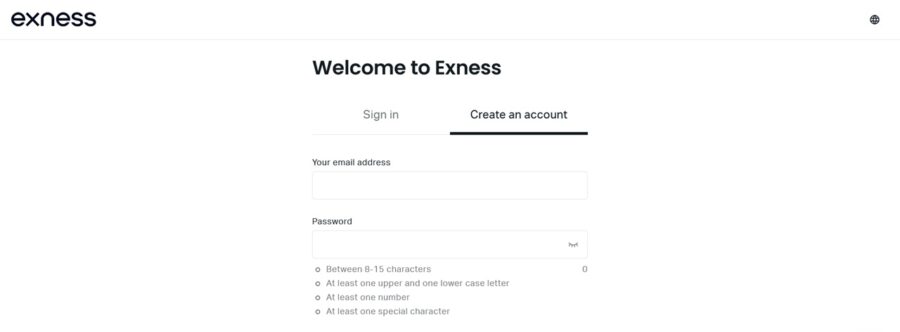
Signing up with Exness to open a VND-denominated account
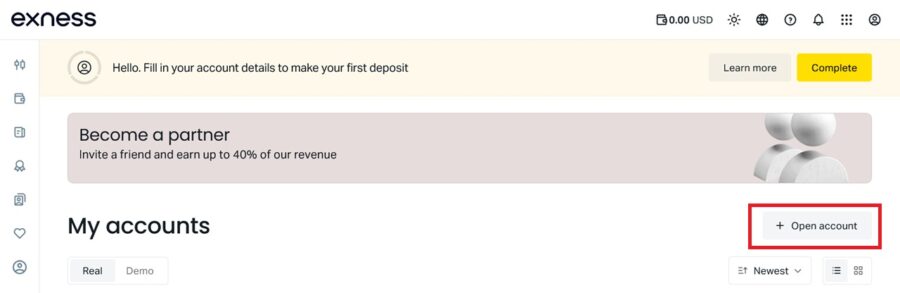
Opening a new Exness account
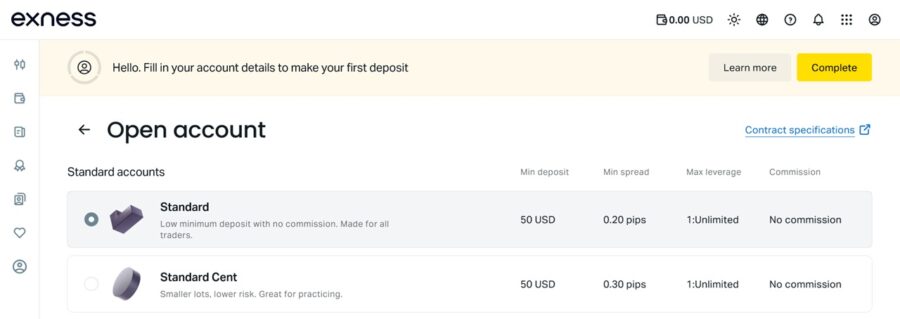
The range of different Exness accounts
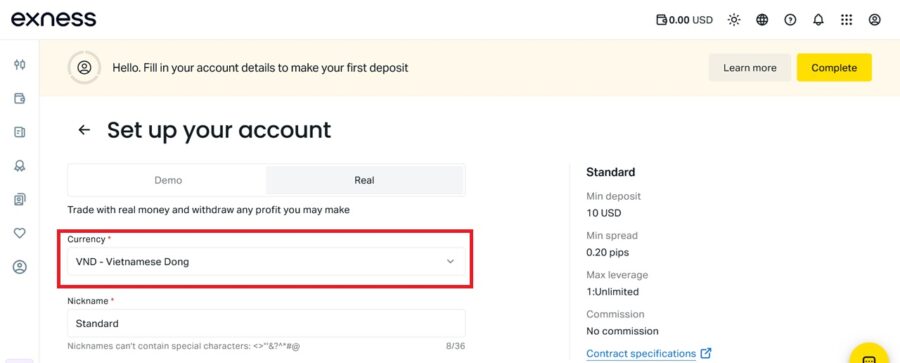
Choosing a VND account
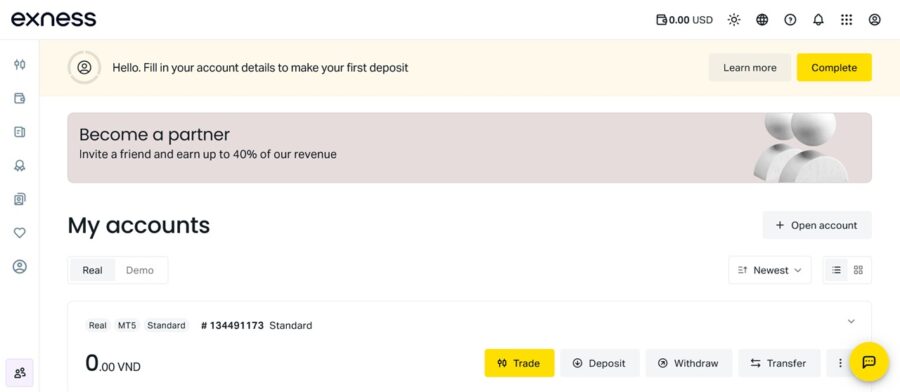
My VND-based account is up and running
Should I Use A VND Trading Account?
VND-denominated trading accounts carry various advantages for traders in Vietnam:
- Bank transfers from local institutions like BIDV usually complete faster than transfers from international banks.
- Tracking your trading performance and managing your portfolio can be simpler if you trade in the same currency that you use every day.
- The elimination of currency-conversion fees, which for frequent traders can be significant.
What Are the Disadvantages Of Using A VND Account?
That said, you may encounter problems if your investing strategy involves using Vietnam’s dong. For instance:
- You’ll only have a limited choice of brokers, meaning you may have to compromise on certain items (like the range of tradeable securities and trading costs).
- You’ll still pay currency conversion fees if you’re trading assets that aren’t denominated in VND, like shares on the London Stock Exchange.